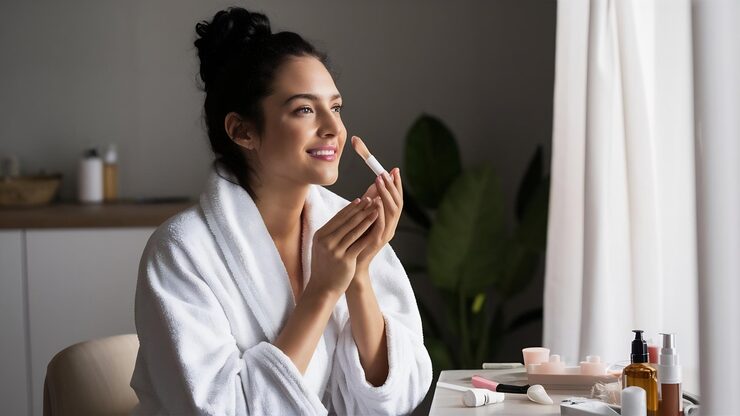

Anti-aging skincare is a science-backed approach to reducing visible signs of aging like wrinkles, fine lines, and dull skin. It works by boosting collagen production, improving skin cell turnover, and protecting the skin from damage caused by UV rays and pollution.
The most effective anti-aging routine includes sunscreen, retinol, vitamin C, and proper hydration. Dermatologists recommend starting anti-aging skincare from the age of 25 to slow down early signs of aging and maintain healthy, youthful skin.
In this complete guide, you will learn how anti-aging skincare works, the best ingredients to use, a step-by-step routine, expert tips, and common mistakes to avoid—so you can build a simple and effective skincare routine that actually delivers results.
Aging is natural—but what if you could slow down wrinkles, fine lines, and dull skin without expensive treatments?
Most people waste money on random products that promise “instant results” but fail. The truth is, anti-aging skincare works only when you understand the science behind it.
In this guide, you’ll learn:
- What actually causes aging
- Which ingredients truly work
- A complete step-by-step routine
- Mistakes that secretly damage your skin
What Anti-Aging Skincare?
Anti-aging skincare is a preventive + corrective approach to maintain youthful skin.
It focuses on:
- Slowing visible aging signs
- Repairing skin damage
- Protecting skin from future harm
Simple meaning:
Healthy skin = Younger-looking skin
How Anti-Aging Skincare Works (Science Explained)
Your skin ages mainly due to 3 factors:
1. Collagen Breakdown
Collagen is the protein that keeps skin firm.
After age 25, collagen production drops by ~1% per year.
2. Sun Damage (Photoaging)
Up to 80–90% of visible aging is caused by UV exposure.
3. Cell Turnover Slows Down
Dead skin cells build up → dullness + uneven texture.
Key Biological Changes:
- Collagen decreases → wrinkles
- Elastin weakens → sagging
- Moisture loss → dryness
- Oxidative stress → dull skin
Anti-Aging Skincare Routine (Step-by-Step)
Morning Routine (Protection Focus)
- Gentle Cleanser
- Vitamin C Serum
- Moisturizer
- Sunscreen (SPF 30–50)
Goal: Protect skin from damage
Night Routine (Repair Focus)
- Cleanser
- Retinol (2–3x per week)
- Moisturizer
Goal: Repair + boost collagen
Best Ingredients (With Real Use Cases)
Retinol (Anti-Aging King)
- Stimulates collagen
- Reduces wrinkles
Example: People using retinol regularly see smoother skin in ~8 weeks
Vitamin C
- Brightens skin
- Protects from pollution
Best used in the morning.
Hyaluronic Acid
- Hydrates deeply
- Makes skin look instantly plump
Sunscreen (Non-Negotiable)
- Prevents 80% of aging
- Protects from pigmentation
Without sunscreen → no anti-aging works
Peptides
- Support collagen repair
- Improve skin firmness
How skincare helps:
- Retinoids → Boost collagen + increase cell turnover
- Vitamin C → Fights free radicals + brightens skin
- Sunscreen → Prevents further damage
- Hyaluronic Acid → Hydrates + plumps skin
Anti-Aging by Age (Smart Strategy)
Age 20–25 (Prevention Stage)
- Sunscreen
- Basic hydration
Age 25–35 (Early Aging)
- Add Vitamin C
- Start with mild retinol
Age 35+ (Repair Stage)
- Stronger actives
- Focus on collagen boost
Natural vs Chemical Anti-Aging
| Factor | Natural Remedies | Active Ingredients |
|---|---|---|
| Speed | Slow | Fast |
| Effectiveness | Mild | Strong |
| Risk | Low | Moderate |
Expert Tips (Dermatologist-Level Advice)
✔️ Start with basic routine first (cleanser + moisturizer + sunscreen)
✔️ Add actives slowly (1 product at a time)
✔️ Use retinol only at night
✔️ Never skip sunscreen (even cloudy days)
✔️ Stay consistent (results = consistency, not expensive products)
Anti-aging skincare isn’t about chasing perfection—it’s about protecting, maintaining, and improving your skin over time.
The real formula is simple:
- Use proven ingredients
- Stay consistent
- Protect your skin daily
Start small, stay consistent, and results will follow.
Frequently Asked Questions (FAQs)
⚠️ Disclaimer:
The information provided in this article is for informational and educational purposes only and should not be considered as medical or professional advice. Skincare results may vary from person to person based on individual skin type, lifestyle, and underlying health conditions. While we aim to provide accurate and updated information, we do not guarantee specific results.
Always perform a patch test before using any new skincare product. If you have sensitive skin, allergies, or any existing skin concerns, it is strongly recommended to consult a qualified dermatologist before starting any new skincare routine. Pregnant or breastfeeding individuals should avoid certain ingredients unless advised by a healthcare professional.
Any action you take based on this content is strictly at your own risk.