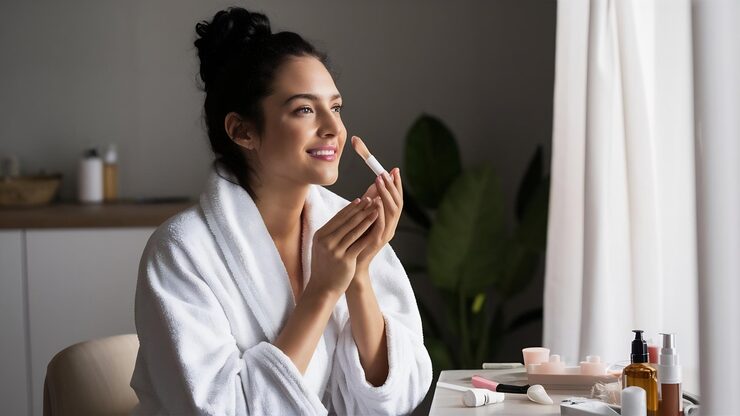

Skin care for kids focuses on gentle cleansing, proper hydration, sun protection, and the avoidance of harsh chemicals. A simple daily routine using mild, natural products helps protect delicate skin, prevent irritation, and support healthy development. Parents should choose fragrance-free products and follow dermatologist-approved practices for safe and effective care.
Kids’ skin is not just “smaller adult skin”—it’s thinner, more sensitive, and more prone to dryness and irritation. Many parents unknowingly use harsh products that can damage their child’s delicate skin barrier
The good news? You don’t need complicated routines or expensive products. In this guide, you’ll learn a safe, simple, and effective skin care routine for kids, along with natural remedies and expert tips that actually work.
What is skincare for kids?
Skin care for kids refers to a gentle, minimal routine designed to cleanse, protect, and nourish a child’s sensitive skin using mild, chemical-free, and dermatologist-approved products. It focuses on maintaining hydration, preventing irritation, and supporting the natural skin barrier.
Why Kids Need a Different Skin Care Routine
Children’s skin differs from adults’ in several ways:
- Thinner skin barrier → More sensitive to chemicals
- Higher moisture loss → Prone to dryness
- Less oil production → Needs extra hydration
- More reactive → Easily irritated by fragrances and harsh soaps
That’s why adult products can cause the following:
- Rashes
- Dry patches
- Allergic reactions
Daily Skin Care Routine for Kids (Step-by-Step)
1. Gentle Cleansing (Morning & Night)
- Use a mild, soap-free cleanser
- Avoid strong fragrances
- Wash with lukewarm water (not hot)
Tip: Once daily is enough for younger kids
2. Moisturizing (Very Important)
- Apply moisturizer within 3 minutes after bathing
- Choose:
- Fragrance-free creams
- Hypoallergenic lotions
Best ingredients:
- Shea butter
- Aloe vera
- Glycerin
3. Sun Protection (Must for USA Audience)
- Use broad-spectrum SPF 30+ sunscreen
- Apply 15–20 minutes before going outside
- Reapply every 2 hours
Even on cloudy days!
4. Lip & Hand Care
- Use natural lip balm (no chemicals)
- Apply hand cream in winter
5. Night Care (Simple)
- Clean face
- Apply a light moisturizer
- Avoid heavy products
Best Natural Remedies for Kids’ Skin
1. Coconut Oil
- Deeply moisturizes dry skin
- Helps with minor irritation
2. Aloe Vera Gel
- Soothes sunburn
- Reduces redness
3. Oatmeal Bath
- Best for itching & eczema
- Calms irritated skin
4. Milk Cream (Malai)
- Natural moisturizer
- Softens skin
5. Honey (For older kids)
- Antibacterial properties
- Helps heal minor skin issues
Common Skin Problems in Children & Solutions
1. Dry Skin
Solution:
- Use thick moisturizers
- Avoid long, hot baths
2. Eczema
Solution:
- Use fragrance-free products
- Apply medicated creams (if prescribed)
3. Heat Rash
Solution:
- Keep skin cool
- Use loose cotton clothes
4. Sunburn
Solution:
- Apply aloe vera
- Keep the child hydrated
5. Diaper Rash (for toddlers)
Solution:
- Keep the area dry
- Use barrier creams
Benefits of Proper Skin Care in Kids
- Prevents skin infections
- Reduces allergies and irritation
- Keeps skin soft and healthy
- Builds lifelong hygiene habits
- Protects from sun damage
Mistakes Parents Should Avoid
Using adult skin care products
Overwashing (dries skin)
Ignoring sunscreen
Using too many products
Choosing scented or chemical-heavy items
Daily Skin Care Routine for Kids
- Wash with a gentle cleanser
- Pat dry (don’t rub)
- Apply moisturizer
- Use sunscreen before going out
- Keep routine simple and consistent
Kids vs Adult Skincare
| Feature | Kids’ Skin Care | Adult Skin Care |
| Products | Mild & gentle | Active ingredients |
| Routine | Simple | Complex |
| Skin Type | Sensitive | Varies |
| Focus | Protection & hydration | Treatment & anti-aging |
Expert Tips
Always do a patch test before new products
Choose products labeled “pediatrician-approved.”
Keep bath time under 10 minutes
Use soft towels to avoid irritation
Maintain a healthy diet and hydration.
Frequently Asked Questions (FAQs)
Disclaimer:
This content is for informational purposes only and is not intended as medical advice. Always consult a qualified pediatrician or dermatologist before trying any new skin care products or remedies for children, especially if your child has sensitive skin or existing conditions.