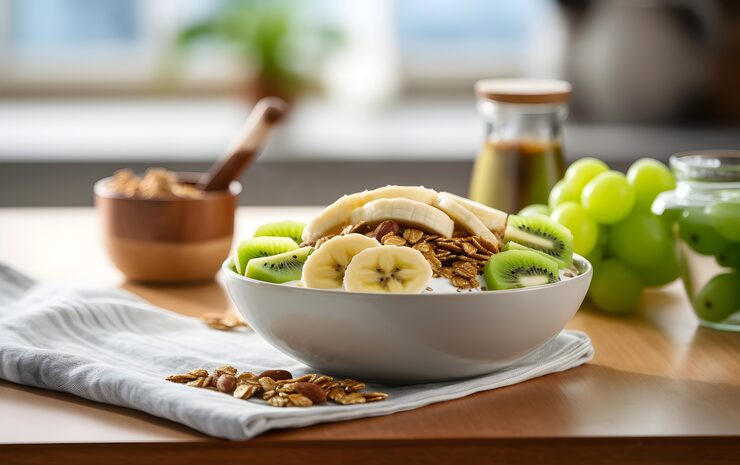

Menopause is a natural stage in a woman’s life, but for many women, it also brings unexpected weight gain—especially around the stomach area. If you’ve noticed that your waistline is expanding despite eating normally or staying active, you are not alone. Hormonal changes during menopause can slow metabolism, increase fat storage, and make belly fat harder to lose.
The good news is that your diet can make a major difference. Certain foods can worsen menopause belly fat, increase bloating, trigger inflammation, and affect hormones. By understanding which foods to avoid, you can support a healthier body, improve energy levels, and feel more confident during menopause.
In this complete guide, we’ll explore the worst foods for menopause belly fat, why they affect your body, and healthier alternatives you can start adding to your daily routine.
Why Does Menopause Cause Belly Fat?
Before discussing the foods to avoid, it’s important to understand why menopause changes body weight distribution.
During menopause, estrogen levels begin to decline. Estrogen helps regulate metabolism, insulin sensitivity, and fat storage. As hormone levels shift, the body tends to store more fat around the abdomen rather than the hips and thighs.
Other factors that contribute to menopause belly fat include the following:
- Slower metabolism
- Loss of muscle mass
- Increased stress hormones
- Poor sleep quality
- Reduced physical activity
- Insulin resistance
- Aging-related changes
This combination makes it easier to gain weight and harder to lose it.
Foods to Avoid for Menopause Belly Fat
1. Sugary Foods and Desserts
One of the biggest contributors to menopause belly fat is excess sugar.
Foods like cakes, cookies, pastries, candy, and sweetened cereals cause rapid spikes in blood sugar levels. Over time, these spikes increase insulin resistance, which encourages the body to store fat—especially around the stomach.
Common sugary foods to limit:
- Ice cream
- Doughnuts
- Packaged sweets
- Chocolate bars
- Sweet bakery items
- Sugary breakfast cereals
Better alternatives:
- Fresh fruits
- Greek yogurt with berries
- Dark chocolate in moderation
- Homemade low-sugar snacks
Reducing sugar intake can also help reduce inflammation and improve energy levels during menopause.
2. Sugary Drinks
Liquid sugar is even more harmful because it enters the bloodstream quickly and provides almost no nutritional value.
Drinks to avoid:
- Soft drinks
- Energy drinks
- Sweetened iced tea
- Packaged fruit juices
- Flavored coffee drinks
These beverages are linked to:
- Increased belly fat
- Higher calorie intake
- Blood sugar imbalance
- Hormonal disruption
Healthier options:
- Lemon water
- Herbal tea
- Coconut water
- Infused detox water
- Unsweetened green tea
Hydration also helps reduce bloating and supports digestion during menopause.
3. Refined Carbohydrates
Refined carbs lose most of their fiber and nutrients during processing. They digest quickly and can increase fat storage.
Refined carbs include the following:
- White bread
- White rice
- Pasta made from refined flour
- Pizza crust
- Packaged crackers
- Instant noodles
- These foods may cause the following:
- Cravings
- Energy crashes
- Blood sugar fluctuations
- Increased abdominal fat
Better choices:
- Brown rice
- Oats
- Whole wheat bread
- Quinoa
- Sweet potatoes
Fiber-rich carbohydrates help keep you full longer and support better digestion.
4. Fried and Fast Foods
Fried foods contain unhealthy fats and excess calories that can worsen menopause symptoms and belly fat accumulation.
Foods to avoid:
- French fries
- Fried chicken
- Burgers
- Chips
- Fast-food meals
These foods are often high in:
- Trans fats
- Sodium
- Preservatives
- Saturated fats
Excess fried food consumption can increase inflammation, water retention, and heart disease risk.
Healthier alternatives:
- Air-fried foods
- Grilled vegetables
- Baked snacks
- Homemade meals with healthy oils
Cooking at home allows you to control ingredients and portion sizes.
5. Alcohol
Alcohol can significantly contribute to menopause belly fat.
Many alcoholic beverages are loaded with empty calories and sugar. Alcohol also affects sleep quality and hormone balance, making weight management more difficult.
Problems caused by alcohol:
- Increased cravings
- Slower fat burning
- Poor sleep
- Increased abdominal fat
- Dehydration
Drinks to limit:
- Cocktails
- Beer
- Sweet wines
- Sugary mixed drinks
Better options:
- Sparkling water with lime
- Herbal tea
- Occasional low-sugar wine in moderation
Reducing alcohol intake can improve sleep, mood, and metabolism.
6. Processed Foods
Highly processed foods are one of the main reasons many women struggle with menopause weight gain.
Common processed foods:
- Frozen meals
- Packaged snacks
- Instant soups
- Processed meats
- Ready-to-eat foods
These foods often contain:
- Hidden sugars
- Artificial additives
- Sodium
- Preservatives
- Unhealthy fats
Processed foods can increase bloating and inflammation while offering very little nutritional value.
Choose instead:
- Fresh vegetables
- Whole foods
- Homemade meals
- Lean protein sources
Eating natural foods supports hormone balance and digestive health.
7. High-Sodium Foods
During menopause, many women experience bloating and water retention. Excess sodium can make this worse.
Salty foods to avoid:
- Packaged chips
- Instant noodles
- Processed meats
- Frozen pizzas
- Canned soups
Too much sodium may cause the following:
- Bloating
- Water retention
- High blood pressure
- Puffiness around the stomach
Better choices:
- Fresh herbs for seasoning
- Homemade soups
- Low-sodium snacks
- Fresh vegetables
Reducing sodium can help your stomach feel flatter and less swollen. \
8. Trans Fats and Hydrogenated Oils
Trans fats are harmful fats found in many processed foods and baked items.
Foods containing trans fats:
- Margarine
- Packaged baked goods
- Commercial pastries
- Fast food
- Microwave popcorn
These fats are linked to:
- Belly fat gain
- Inflammation
- Heart disease
- Hormonal imbalance
Healthier fats include:
- Avocados
- Olive oil
- Nuts
- Seeds
- Fatty fish
Healthy fats help support hormone production and overall wellness.
9. Excess Dairy Products
Not every woman reacts negatively to dairy, but some experience bloating and digestive discomfort during menopause.
Dairy products that may trigger bloating:
- Ice cream
- Full-fat cheese
- Sweetened yogurt
- Cream-based sauces
If dairy causes bloating or stomach discomfort, consider reducing intake temporarily to see how your body responds.
Alternatives:
- Almond milk
- Oat milk
- Coconut yogurt
- Lactose-free products
Listening to your body is important during menopause.
10. Late-Night Snacking
Late-night eating can slow digestion and increase fat storage.
Common unhealthy nighttime snacks:
- Chips
- Cookies
- Ice cream
- Sugary drinks
Eating late may
- Disrupt sleep
- Increase calorie intake
- Affects insulin sensitivity
Better nighttime habits:
- Herbal tea
- Light protein snacks
- Earlier dinner timing
Good sleep and healthy eating schedules support hormone balance.
Best Foods and Lifestyle Habits for Menopause Belly Fat
| Category | Why It Helps During Menopause | Best Foods / Activities | Main Benefits |
|---|---|---|---|
| Protein-Rich Foods | Protein helps maintain muscle mass and supports a healthy metabolism, which often slows during menopause. | Eggs, Chicken, Fish, Lentils, Tofu, Greek Yogurt | Keeps you full longer, supports fat loss, reduces cravings |
| Fiber-Rich Foods | Fiber improves digestion and helps control hunger and blood sugar levels. | Vegetables, Fruits, Oats, Chia Seeds, Beans | Better digestion, less bloating, improved weight management |
| Healthy Fats | Healthy fats support hormone balance and brain function during menopause. | Olive Oil, Avocados, Nuts, Seeds, Salmon | Reduces inflammation, supports hormones, improves heart health |
| Anti-Inflammatory Foods | Inflammation can worsen menopause symptoms and belly fat storage. | Turmeric, Green Tea, Leafy Greens, Berries, Tomatoes | Reduces inflammation, improves energy, supports overall wellness |
| Strength Training | Muscle loss increases during menopause, slowing metabolism. Strength training helps rebuild muscle. | Resistance Bands, Bodyweight Exercises, Light Weights, Pilates | Boosts metabolism, tones body, supports fat burning |
| Better Sleep Habits | Poor sleep affects hunger hormones and may increase belly fat. | Avoid Screens Before Bed, Limit Caffeine, Follow a Sleep Routine | Better hormone balance, improved recovery, reduced cravings |
| Stress Management | High stress raises cortisol levels, which can encourage belly fat storage. | Meditation, Yoga, Walking, Deep Breathing | Lower stress, improved mood, better weight control |
| Daily Physical Activity | Regular movement helps burn calories and improve overall health. | Walking, Dancing, Gardening, Stretching | Improves fitness, supports weight loss, increases energy |
Quick Menopause Belly Fat Tips Table
| Do More Of | Avoid More Often |
|---|---|
| Whole foods | Processed foods |
| Protein-rich meals | Sugary snacks |
| Fiber-rich foods | Refined carbs |
| Walking & exercise | Sitting all day |
| Proper sleep | Late-night snacking |
| Stress management | Excess alcohol |
| Healthy fats | Fried foods |
Common Myths About Menopause Belly Fat
Myth 1: Belly Fat During Menopause Is Impossible to Lose
False. While it becomes more challenging, healthy habits can absolutely help reduce belly fat.
Myth 2: You Must Completely Avoid Carbs
Not true. Whole-food carbohydrates with fiber can support weight management.
Myth 3: Detox Teas Melt Belly Fat
Most detox products offer temporary water weight loss, not real fat reduction.
Sample One-Day Menopause-Friendly Meal Plan
| Time of Day | Meal | Foods Included | Benefits |
|---|---|---|---|
| Breakfast | Healthy Fiber Breakfast | Oatmeal with berries and chia seeds | Supports digestion, keeps you full longer, helps control cravings |
| Morning Snack | Light Healthy Snack | Apple slices with almond butter | Provides healthy fats, fiber, and natural energy |
| Lunch | Protein-Rich Balanced Meal | Grilled chicken salad with olive oil dressing | Supports metabolism, muscle health, and hormone balance |
| Afternoon Snack | Calcium & Protein Snack | Greek yogurt with walnuts | Helps maintain muscle mass and supports bone health |
| Dinner | Nutrient-Dense Dinner | Salmon with roasted vegetables and quinoa | Rich in omega-3s, protein, and fiber for overall wellness |
| Evening Drink | Relaxing Bedtime Drink | Herbal tea | Supports relaxation, hydration, and better sleep quality |
Menopause belly fat is common, but it does not mean you have to feel frustrated or helpless. Understanding which foods trigger weight gain, inflammation, and bloating can help you make smarter daily choices.
The key is not extreme dieting or quick fixes. Sustainable changes like reducing sugar, avoiding processed foods, eating more whole foods, staying active, and improving sleep can create long-term results.
Remember that every woman’s body responds differently during menopause. Focus on progress, consistency, and overall health rather than perfection.
With the right nutrition and lifestyle habits, you can support your body naturally and feel healthier during every stage of menopause.
Disclaimer: This article is for informational purposes only and should not be considered medical advice. Always consult a healthcare professional or nutrition expert before making significant dietary or lifestyle changes during menopause.