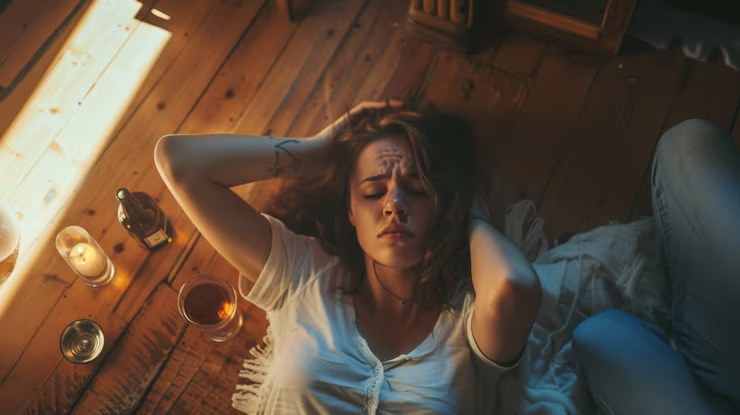

Anxiety is a natural response to stress, uncertainty, or challenging situations. Everyone experiences feelings of nervousness from time to time. However, when excessive worry, fear, or nervousness begins to interfere with daily life, it may be a sign of an anxiety disorder.
Millions of adults experience anxiety every year, making it one of the most common mental health conditions worldwide. While occasional anxiety is normal, persistent symptoms can affect your physical health, emotional well-being, relationships, and work performance.
Recognizing the anxiety symptoms in adults early can help you take the right steps toward better mental health and improved quality of life.
In this guide, we’ll explore the most common signs of anxiety in adults, physical symptoms, emotional warning signs, and practical ways to manage anxiety effectively.
What Is Anxiety?
Anxiety is the body’s natural reaction to stress or perceived danger. It triggers the “fight-or-flight” response, preparing the body to react quickly.
While temporary anxiety can be helpful in certain situations, chronic anxiety can become overwhelming and difficult to manage. People with anxiety disorders often experience persistent worry, fear, and nervousness even when there is no immediate threat.
Common anxiety disorders include:
- Generalized Anxiety Disorder (GAD)
- Social Anxiety Disorder
- Panic Disorder
- Specific Phobias
- Separation Anxiety Disorder
Understanding the symptoms of anxiety disorder can help individuals identify when professional support may be needed.
What Are the Most Common Anxiety Symptoms in Adults?
Anxiety affects people differently. Some individuals experience mostly emotional symptoms, while others notice physical symptoms of anxiety first.
Below are the 15 most common anxiety warning signs.
1. Excessive Worry
One of the most recognizable signs of anxiety in adults is excessive worrying.
People with anxiety often spend hours worrying about the following:
- Work performance
- Health concerns
- Relationships
- Finances
- Future events
This worry can feel uncontrollable and may continue even when there is little reason for concern.
2. Restlessness
Feeling constantly on edge is another common symptom.
People may experience:
- Inability to relax
- Feeling tense
- Constant nervousness
- Difficulty sitting still
Restlessness is often one of the early signs of anxiety in adults.
3. Racing Thoughts
Many people with anxiety struggle with racing thoughts.
Their minds may constantly jump from one concern to another, making it difficult to focus on the present moment.
Racing thoughts can also contribute to sleep problems and increased stress levels.
4. Difficulty Concentrating
Anxiety can significantly affect concentration and productivity.
Individuals may notice:
- Trouble focusing on tasks
- Frequent distractions
- Forgetfulness
- Reduced work performance
This symptom often occurs because the brain is preoccupied with worry and fear.
5. Irritability
Anxiety doesn’t always appear as fear.
It can also cause:
- Frustration
- Anger
- Mood swings
- Emotional sensitivity
Many adults become more irritable when anxiety levels increase.
6. Sleep Problems
Sleep disturbances are among the most common anxiety symptoms checklist items.
People may experience:
- Difficulty falling asleep
- Frequent waking during the night
- Restless sleep
- Early morning waking
Poor sleep can further worsen anxiety symptoms.
7. Fatigue
Constant worry can be mentally and physically exhausting.
Even after a full night’s sleep, individuals with anxiety may feel:
- Tired
- Drained
- Low on energy
- Mentally exhausted
Fatigue is often overlooked but is a significant symptom of anxiety.
8. Rapid Heartbeat
A racing heart is one of the most common physical symptoms of anxiety.
The body’s stress response releases hormones that increase heart rate.
People often describe the following:
- Heart palpitations
- Pounding heartbeat
- Fluttering sensations
These symptoms can sometimes feel frightening.
9. Chest Pain
Many people ask:
Can anxiety cause chest pain?
The answer is yes.
Anxiety can create tightness in the chest due to muscle tension and increased stress hormones.
However, severe or sudden chest pain should always be evaluated by a healthcare professional.
10. Shortness of Breath
During periods of anxiety, breathing may become faster and shallower.
This can lead to:
- Difficulty catching your breath
- Feeling suffocated
- Hyperventilation
Shortness of breath is especially common during anxiety attacks.
11. Dizziness
Many people wonder:
Can anxiety cause dizziness?
Yes.
Stress and rapid breathing can reduce carbon dioxide levels in the blood, leading to dizziness and lightheadedness.
12. Muscle Tension
Chronic anxiety often causes muscles to remain tense for long periods.
Common areas affected include:
- Neck
- Shoulders
- Back
- Jaw
Persistent muscle tension can lead to discomfort and headaches.
13. Digestive Problems
Anxiety affects the gut-brain connection.
Common symptoms include:
- Nausea
- Stomach pain
- Bloating
- Diarrhea
- Digestive discomfort
These symptoms are often referred to as nervous stomach issues.
14. Avoidance Behaviors
People with anxiety may avoid situations that trigger fear or discomfort.
Examples include:
- Social gatherings
- Public speaking
- Traveling
- Work meetings
Avoidance can temporarily reduce anxiety but often strengthens it over time.
15. Panic Attacks
Panic attacks can occur suddenly and feel extremely intense.
Common anxiety attack symptoms include:
- Rapid heartbeat
- Sweating
- Chest pain
- Trembling
- Shortness of breath
- Fear of losing control
Although panic attacks can feel dangerous, they are generally not life-threatening.
Physical Symptoms of Anxiety
Many people experience anxiety through physical symptoms before recognizing emotional signs.
Common Physical Symptoms Include the Following:
- Rapid heartbeat
- Chest pain
- Dizziness
- Sweating
- Trembling
- Fatigue
- Digestive issues
- Muscle tension
- Headaches
- Shortness of breath
Understanding these physical symptoms can help identify anxiety earlier.
Emotional Symptoms of Anxiety
In addition to physical symptoms, anxiety affects emotional health.
Common Emotional Symptoms:
- Excessive worry
- Fear
- Nervousness
- Irritability
- Mood changes
- Overthinking
- Feeling overwhelmed
- Low self-confidence
These emotional symptoms can significantly impact daily life and relationships.
Anxiety Symptoms in Adults: Quick Overview Table
| Anxiety Symptom | Type | Common Impact |
|---|---|---|
| Excessive Worry | Emotional | Constant fear and overthinking |
| Restlessness | Emotional | Difficulty relaxing and staying calm |
| Racing Thoughts | Emotional | Trouble focusing on tasks |
| Difficulty Concentrating | Cognitive | Reduced productivity and focus |
| Irritability | Emotional | Mood swings and frustration |
| Sleep Problems | Physical | Poor sleep quality and fatigue |
| Fatigue | Physical | Low energy throughout the day |
| Rapid Heartbeat | Physical | Heart palpitations and discomfort |
| Chest Pain | Physical | Tightness or pressure in the chest |
| Shortness of Breath | Physical | Difficulty breathing normally |
| Dizziness | Physical | Lightheadedness and imbalance |
| Muscle Tension | Physical | Neck, shoulder, and back pain |
| Digestive Problems | Physical | Nausea, bloating, or stomach issues |
| Avoidance Behaviors | Behavioral | Avoiding situations that trigger anxiety |
| Panic Attacks | Physical & Emotional | Intense fear and physical symptoms |
What Does Anxiety Feel Like?
Many individuals ask:
What does anxiety feel like?
People often describe anxiety as:
- Constant worry
- Feeling on edge
- Racing thoughts
- Fear of something bad happening
- Difficulty relaxing
- Physical tension
The experience varies from person to person, but persistent discomfort is common.
How to Manage Anxiety Naturally
While professional treatment is often beneficial, several healthy habits may help reduce anxiety naturally.
1. Exercise Regularly
Physical activity can lower stress hormones and improve mood.
2. Prioritize Sleep
Aim for 7–9 hours of quality sleep each night.
3. Practice Deep Breathing
Breathing exercises can calm the nervous system.
4. Limit Caffeine
Too much caffeine may worsen anxiety symptoms.
5. Stay Connected
Supportive relationships play an important role in emotional well-being.
6. Practice Mindfulness
Meditation and mindfulness techniques can reduce stress and improve focus.
7. Maintain a Healthy Lifestyle
Balanced nutrition, hydration, and self-care habits contribute to better mental health.
Physical vs Emotional Symptoms of Anxiety
| Physical Symptoms of Anxiety | Emotional Symptoms of Anxiety |
|---|---|
| Rapid heartbeat | Excessive worry |
| Chest pain | Fear and nervousness |
| Dizziness | Overthinking |
| Sweating | Irritability |
| Muscle tension | Mood swings |
| Digestive issues | Feeling overwhelmed |
| Fatigue | Difficulty relaxing |
| Shortness of breath | Constant stress |
When Should You Seek Professional Help?
Consider speaking with a healthcare professional if:
- Anxiety interferes with daily activities.
- Symptoms persist for several weeks or months.
- Sleep problems become severe.
- Panic attacks occur frequently.
- Anxiety affects work or relationships.
Early support can make a significant difference in recovery and long-term well-being.
Recognizing anxiety symptoms in adults is the first step toward improving mental health. Whether you experience excessive worry, racing thoughts, sleep problems, chest pain, or other physical symptoms of anxiety, understanding these warning signs can help you take action before symptoms become overwhelming.
Remember that anxiety is a common and treatable condition. Through healthy lifestyle habits, self-care practices, and professional support when needed, many people successfully manage anxiety and lead fulfilling lives.
If anxiety symptoms are affecting your daily life, consider reaching out to a qualified healthcare professional for guidance and support.