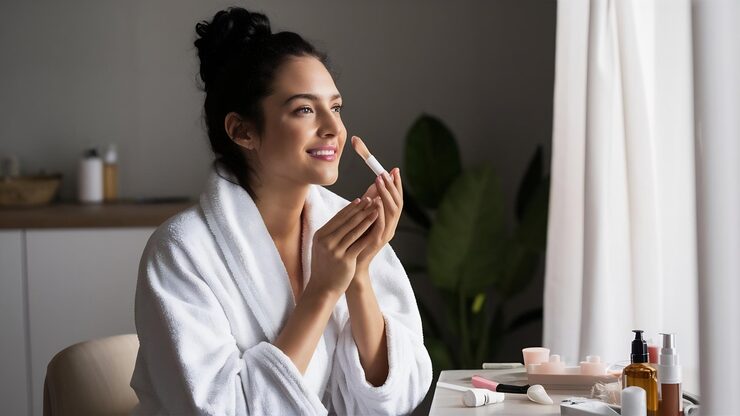

The skincare industry has undergone a major transformation in recent years. Today’s consumers are no longer focused solely on achieving clear, healthy skin—they also want to support brands that reflect their values. As awareness around animal welfare, sustainability, ethical sourcing, and conscious consumerism continues to grow, more people are actively searching for cruelty-free skincare products and vegan skincare solutions.
However, choosing ethical beauty products can be confusing. Product labels often feature terms such as cruelty-free, vegan, clean beauty, natural, organic, and sustainable. While these labels may seem similar, they represent different aspects of a product’s formulation, testing practices, and environmental impact.
Understanding how to choose cruelty-free and vegan skincare products is essential for anyone looking to build an ethical skincare routine. This complete buyer’s guide explains everything you need to know, including how to identify genuine products, avoid misleading marketing claims, understand certifications, and select products that suit your skin type.
Whether you are new to ethical beauty or looking to upgrade your skincare routine, this guide will help you make informed decisions that benefit your skin, animals, and the planet.
What Does Cruelty-Free Skincare Mean?
Cruelty-free skincare refers to products that are not tested on animals at any stage of development.
A genuinely cruelty-free skincare brand ensures that
- Ingredients are not tested on animals
- Finished products are not tested on animals
- Suppliers do not conduct animal testing
- Third-party testing does not involve animals
The primary focus of cruelty-free skincare is preventing animal suffering during product development and safety assessments.
Modern skincare brands now have access to advanced alternatives such as laboratory testing, computer simulations, artificial skin models, and human volunteer studies, making animal testing increasingly unnecessary.
Why Cruelty-Free Skincare Matters
Millions of consumers worldwide believe that animals should not suffer for cosmetic products. By supporting cruelty-free beauty products, shoppers encourage brands to invest in ethical testing methods and create positive industry change.
What Does Vegan Skincare Mean?
Vegan skincare products contain no animal-derived ingredients or animal by-products.
Unlike cruelty-free skincare, which focuses on testing practices, vegan skincare focuses on ingredient sourcing.
Common ingredients avoided in vegan skincare include:
- Beeswax
- Honey
- Lanolin
- Keratin
- Animal collagen
- Carmine
- Silk proteins
Instead, vegan skincare products use plant-based or synthetic alternatives that provide similar benefits.
Popular vegan skincare ingredients include:
- Aloe Vera
- Jojoba Oil
- Shea Butter
- Rosehip Oil
- Green Tea Extract
- Vitamin C
- Niacinamide
- Hyaluronic Acid
These ingredients can help hydrate, nourish, and protect the skin while supporting a plant-based skincare approach.
Cruelty-Free vs Vegan Skincare: Understanding the Difference
One of the most common misconceptions is that cruelty-free and vegan mean the same thing.
| Feature | Cruelty-Free | Vegan |
|---|---|---|
| Animal Testing | No | May Still Occur |
| Animal Ingredients | May Contain | No |
| Focus | Testing Practices | Ingredient Sources |
| Supports Animal Welfare | Yes | Yes |
| Plant-Based Formula | Not Always | Yes |
Example
A moisturizer containing beeswax but never tested on animals is:
✅ Cruelty-Free
❌ Vegan
A serum containing only plant-based ingredients but tested on animals is:
❌ Cruelty-Free
✅ Vegan
A product that is both cruelty-free and vegan offers the most comprehensive ethical beauty solution.
Why Consumers Are Choosing Ethical Beauty Products
The demand for cruelty-free and vegan beauty products continues to rise globally.
Animal Welfare
Consumers want to support brands that avoid harming animals during product testing and production.
Environmental Responsibility
Many vegan skincare brands prioritize sustainability and environmentally responsible sourcing.
Transparency
Modern consumers expect brands to clearly communicate ingredient sourcing and testing practices.
Health-Conscious Purchasing
Many people prefer plant-based skincare products because they often contain botanical ingredients rich in vitamins and antioxidants.
Sustainable Beauty Trends
Ethical beauty has become one of the fastest-growing segments within the global skincare market.
Step 1: Look for Trusted Certifications
One of the easiest ways to identify ethical skincare products is through recognized certifications.
Cruelty-Free Certifications
Look for certifications that indicate a brand does not test on animals.
Benefits include:
- Independent verification
- Increased transparency
- Consumer confidence
Vegan Certifications
Vegan certifications help consumers identify products that contain no animal-derived ingredients.
Benefits include:
- Clear ingredient standards
- Easier product selection
- Greater trust in brand claims
Certifications can save shoppers significant research time and help avoid misleading marketing claims.
Step 2: Learn to Read Ingredient Labels
Reading ingredient lists is one of the most important skills for ethical skincare shopping.
Animal-Derived Ingredients to Avoid
| Ingredient | Source |
|---|---|
| Beeswax | Bees |
| Honey | Bees |
| Lanolin | Sheep Wool |
| Keratin | Animal Hair |
| Carmine | Insects |
| Collagen | Animal Tissue |
| Silk Protein | Silkworms |
Vegan Alternatives
| Traditional Ingredient | Vegan Alternative |
|---|---|
| Beeswax | Candelilla Wax |
| Lanolin | Plant Oils |
| Honey | Agave Extract |
| Collagen | Plant-Based Collagen Boosters |
| Keratin | Soy Protein |
| Squalene | Sugarcane Squalane |
Learning these ingredients helps consumers confidently identify vegan skincare products.
Step 3: Research the Brand
A product label only tells part of the story.
Before purchasing, investigate:
- Brand mission
- Animal testing policies
- Ingredient sourcing
- Sustainability initiatives
- Supplier standards
Ethical beauty brands are usually transparent about their practices and provide detailed information on their websites.
Step 4: Understand Common Beauty Marketing Terms
Many consumers confuse marketing labels with ethical certifications.
Natural
Natural ingredients can still be tested on animals.
Organic
“Organic” refers to farming methods, not animal testing.
Clean Beauty
Clean beauty focuses on ingredient safety but may not address animal welfare.
Sustainable Beauty
Sustainability focuses on environmental impact and responsible production.
Ethical Beauty
Ethical beauty typically includes animal welfare, ingredient transparency, and sustainability considerations.
Understanding these distinctions can help prevent purchasing mistakes.
Step 5: Choose Products Based on Your Skin Type
Ethical skincare should still address your specific skin concerns.
Dry Skin
Look for:
- Hyaluronic Acid
- Shea Butter
- Squalane
- Ceramides
Oily Skin
Choose lightweight ingredients such as:
- Aloe Vera
- Niacinamide
- Green Tea Extract
Acne-Prone Skin
Look for:
- Salicylic Acid
- Tea Tree Oil
- Zinc
- Niacinamide
Sensitive Skin
Beneficial ingredients include:
- Oat Extract
- Chamomile
- Aloe Vera
- Centella Asiatica
Mature Skin
Look for:
- Vitamin C
- Retinol Alternatives
- Peptides
- Antioxidants
Choosing products according to your skin type ensures better results while maintaining ethical standards.
Building a Complete Cruelty-Free and Vegan Skincare Routine
Morning Routine
Gentle Cleanser
Removes impurities without stripping natural oils.
Hydrating Toner
Prepares the skin for treatment products.
Vitamin C Serum
Helps brighten skin and support antioxidant protection.
Moisturizer
Locks in hydration throughout the day.
Sunscreen
Protects against UV damage and premature aging.
Evening Routine
Cleanser
Removes dirt, sunscreen, and makeup.
Treatment Serum
Targets specific concerns such as acne, pigmentation, or fine lines.
Moisturizer
Supports overnight repair.
Night Treatment
Provides additional nourishment and hydration.
Consistency is often more important than using a large number of products.
Common Mistakes to Avoid When Buying Ethical Skincare
Assuming Vegan Means Cruelty-Free
These are separate claims and should always be verified independently.
Ignoring Ingredient Lists
Marketing labels should never replace ingredient research.
Buying Based Solely on Packaging
Attractive packaging does not guarantee ethical practices.
Following Social Media Trends Blindly
Products should match your skin type and concerns.
Not Checking Brand Policies
Research helps ensure products genuinely align with your values.
Environmental Benefits of Vegan and Cruelty-Free Skincare
Ethical skincare often contributes to sustainability goals.
Benefits may include:
- Reduced environmental impact
- Lower reliance on animal agriculture
- Sustainable ingredient sourcing
- Eco-friendly packaging
- Reduced waste production
Many consumers now seek products that support both animal welfare and environmental responsibility.
How to Shop Smarter for Ethical Beauty Product
Before purchasing any skincare product, ask these questions:
- Is the product cruelty-free?
- Is the product vegan?
- Are ingredients ethically sourced?
- Does the brand use sustainable packaging?
- Is the company transparent about its policies?
- Does the product suit my skin type?
- Are certifications available?
- Does the brand have positive consumer reviews?
Using this checklist can help prevent impulse purchases and improve long-term skincare satisfaction.
Future Trends in Ethical Beauty
The ethical beauty industry continues to evolve rapidly.
Biotechnology Ingredients
Advanced science is creating sustainable alternatives to traditional ingredients.
Lab-Grown Collagen
Collagen alternatives reduce reliance on animal-derived ingredients.
Waterless Skincare
Concentrated formulas reduce packaging waste and environmental impact.
Sustainable Packaging
Refillable and recyclable packaging options are becoming more common.
Personalized Skincare
AI-powered skincare recommendations help consumers choose products more effectively.
These innovations are shaping the future of cruelty-free and vegan beauty products.
Conclusion
Choosing cruelty-free skin care and vegan skincare products is about making informed decisions that align with both your skincare goals and personal values. While cruelty-free skincare focuses on eliminating animal testing, vegan skincare focuses on avoiding animal-derived ingredients. Understanding this distinction is essential for building an ethical skincare routine.
By researching brands, reading ingredient labels, checking certifications, and selecting products suited to your skin type, you can confidently navigate the growing world of ethical beauty products.
As the demand for sustainable skincare, plant-based skincare products, and cruelty-free beauty brands continues to grow, consumers have more options than ever before. Making thoughtful choices today helps create a future where beauty products are effective, ethical, and environmentally responsible.