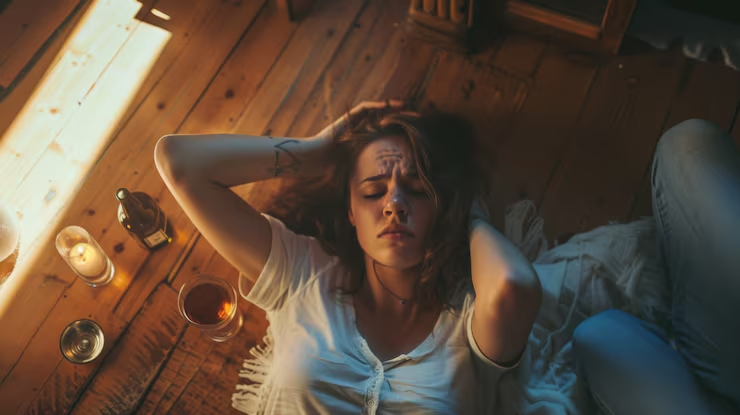
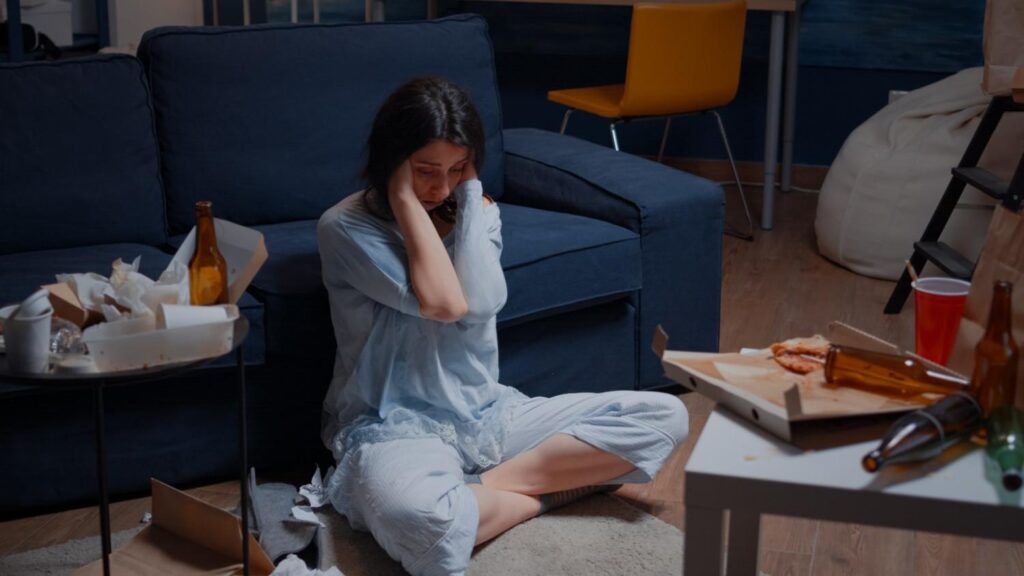
Imagine waking up already feeling exhausted before your day has even begun. Your heart races, your stomach feels unsettled, and your mind immediately jumps to everything that could go wrong. Even when nothing stressful has happened yet, your body reacts as if you’re facing a crisis.
For many women, this isn’t just a bad morning—it’s a common experience linked to anxiety.
Anxiety is one of the most common mental health conditions worldwide, and research consistently shows that women are more likely than men to experience anxiety disorders. Hormonal changes, life transitions, social pressures, caregiving responsibilities, and chronic stress can all contribute to how anxiety develops and how it feels.
The challenge is that anxiety doesn’t always look the same. Some women experience overwhelming worry, while others notice headaches, digestive problems, muscle tension, fatigue, or trouble sleeping long before they realize anxiety is involved.
Recognizing these early warning signs can help you seek support sooner and develop healthier coping strategies.
In this guide, you’ll learn the most common anxiety symptoms in women, why they happen, and practical ways to manage them.
Quick Answer
Anxiety symptoms in women may include excessive worry, restlessness, irritability, fatigue, trouble sleeping, muscle tension, rapid heartbeat, digestive issues, difficulty concentrating, and panic attacks. Hormonal changes, chronic stress, and life events can influence how these symptoms appear.
What Are Anxiety Symptoms in Women?
Anxiety symptoms are emotional, physical, and behavioral responses that occur when your body’s stress response becomes overactive. While occasional anxiety is a normal reaction to challenging situations, persistent or overwhelming anxiety can interfere with work, relationships, sleep, and overall quality of life.
Women may experience anxiety differently because hormonal fluctuations throughout life—including menstruation, pregnancy, postpartum recovery, perimenopause, and menopause—can affect brain chemicals involved in mood regulation.
Common categories include:
| Emotional Symptoms | Physical Symptoms | Behavioral Symptoms |
|---|---|---|
| Constant worrying | Rapid heartbeat | Avoiding situations |
| Irritability | Muscle tension | Overthinking |
| Feeling overwhelmed | Fatigue | Seeking reassurance |
| Fear of losing control | Digestive problems | Trouble making decisions |
| Mood changes | Sleep difficulties | Withdrawing socially |
Understanding these patterns makes it easier to recognize when anxiety is becoming more than temporary stress.
Why Anxiety Affects Women Differently
Women are nearly twice as likely as men to experience many anxiety disorders. This difference is influenced by a combination of biological, psychological, and social factors rather than a single cause.
Hormonal Changes
Hormones such as estrogen and progesterone influence neurotransmitters like serotonin, dopamine, and GABA, which help regulate mood. Changes in these hormones may increase anxiety symptoms during:
- Menstrual cycles
- Pregnancy
- Postpartum recovery
- Perimenopause
- Menopause
Chronic Stress
Balancing careers, caregiving, finances, relationships, and family responsibilities can create ongoing stress that increases anxiety risk over time.
Sleep Problems
Poor sleep and anxiety often reinforce each other. Lack of sleep can increase anxious thoughts, while anxiety can make falling or staying asleep more difficult.
If you frequently wake up feeling anxious, you may also find our guide on morning anxiety helpful.
Previous Life Experiences
Past trauma, difficult childhood experiences, major life transitions, or ongoing emotional stress may contribute to anxiety later in life.
Genetics
Family history also plays a role. Having a close relative with an anxiety disorder may increase your risk, although lifestyle and environmental factors are equally important.
Emotional vs Physical Anxiety Symptoms
Many women assume anxiety only affects emotions.
In reality, anxiety can cause significant physical symptoms because your nervous system remains in a heightened state of alertness.
| Emotional Signs | Physical Signs |
|---|---|
| Excessive worry | Chest tightness |
| Restlessness | Racing heart |
| Feeling on edge | Headaches |
| Irritability | Dizziness |
| Difficulty concentrating | Muscle tension |
| Fear of the future | Digestive discomfort |
| Constant overthinking | Sweating |
| Feeling overwhelmed | Fatigue |
Because these physical symptoms can resemble other medical conditions, it’s important to seek professional evaluation if symptoms are severe, persistent, or sudden.
17 Anxiety Symptoms in Women
1. Constant Worrying
Persistent worry is often the first sign of anxiety.
Instead of worrying about one specific event, your mind may continuously jump from one concern to another—even when there is little evidence that something is wrong.
Women often describe this as:
- Expecting the worst
- Feeling unable to “switch off” their thoughts
- Constantly preparing for problems that may never happen
When this pattern continues for weeks or months, it can affect work, relationships, and overall well-being.
2. Feeling Restless or Unable to Relax
Restlessness is another common symptom.
You may feel as though your body is constantly “on alert,” making it difficult to sit still or enjoy quiet moments.
Many women report:
- Feeling tense throughout the day
- Needing to stay busy
- Difficulty relaxing, even during vacations or weekends
- Feeling guilty while resting
This ongoing tension can eventually contribute to physical fatigue.
3. Rapid Heartbeat or Heart Palpitations
Anxiety activates your body’s fight-or-flight response.
As a result, your heart may beat faster even when you’re sitting quietly.
Possible symptoms include:
- Heart pounding
- Chest fluttering
- Feeling your heartbeat in your throat
- Mild chest discomfort
Although anxiety commonly causes these sensations, any new or severe chest pain should always be evaluated by a healthcare professional.
4. Difficulty Sleeping
Sleep problems and anxiety often occur together.
Some women struggle to fall asleep because of racing thoughts, while others wake up several times during the night or wake up feeling anxious before sunrise.
Common sleep-related symptoms include:
- Trouble falling asleep
- Frequent nighttime awakenings
- Vivid dreams
- Waking up exhausted
- Feeling anxious immediately after waking
You may also enjoy reading our article on How to Calm Your Nervous System Naturally, which explains relaxation techniques that support better sleep and stress recovery.
5. Difficulty Concentrating (Brain Fog)
Many women with anxiety describe feeling mentally exhausted even after a full night’s sleep. Constant worrying consumes mental energy, making it harder to focus on work, conversations, or daily tasks.
You may notice:
- Forgetting simple things
- Losing focus during meetings
- Reading the same paragraph multiple times
- Difficulty making decisions
- Feeling mentally “foggy”
Because anxiety and cognitive fatigue often overlap, you may also find our guide on brain fog symptoms helpful for understanding how stress affects concentration.
6. Muscle Tension and Body Aches
Anxiety doesn’t only affect the mind—it can also keep your muscles in a constant state of tension.
Common areas include:
- Neck
- Shoulders
- Jaw
- Upper back
- Lower back
Some women unknowingly clench their jaw or tighten their shoulders throughout the day, leading to headaches and chronic pain.
Quick Answer
Can anxiety cause muscle pain?
Yes. Anxiety can cause ongoing muscle tension, which may result in stiffness, soreness, headaches, or neck and shoulder pain.
7. Digestive Problems
The brain and digestive system communicate through the gut-brain axis, which explains why anxiety often affects digestion.
Symptoms may include:
- Nausea
- Stomach discomfort
- Bloating
- Diarrhea
- Constipation
- Loss of appetite
These symptoms often become worse during stressful situations.
8. Irritability and Mood Swings
When your nervous system remains under constant stress, even small frustrations may feel overwhelming.
Signs include:
- Becoming easily annoyed
- Feeling emotionally overwhelmed
- Snapping at family members
- Increased sensitivity to criticism
This isn’t a personality change—it’s often a sign that your body has been under prolonged stress.
9. Fatigue That Doesn’t Improve With Rest
Many women assume anxiety creates energy.
In reality, chronic anxiety can be physically exhausting.
Your brain stays alert for long periods, increasing mental workload and making everyday activities feel more draining.
If you’re constantly tired without a clear reason, chronic stress or anxiety could be contributing.
10. Feeling Overwhelmed by Everyday Tasks
Simple responsibilities may suddenly feel impossible.
Examples include:
- Replying to emails
- Grocery shopping
- Household chores
- Paying bills
- Making phone calls
Instead of laziness, this often reflects mental overload caused by anxiety.
11. Excessive Overthinking
Overthinking is one of the most common anxiety symptoms in women.
Examples include:
- Replaying conversations repeatedly
- Assuming worst-case scenarios
- Constantly questioning decisions
- Fear of making mistakes
This mental cycle increases stress and makes relaxation more difficult.
12. Panic Attacks
Although not everyone with anxiety experiences panic attacks, they can occur unexpectedly.
Symptoms may include:
- Racing heartbeat
- Chest tightness
- Sweating
- Shortness of breath
- Trembling
- Feeling detached from reality
- Fear of losing control
Anxiety vs Panic Attack
| Anxiety | Panic Attack |
|---|---|
| Develops gradually | Starts suddenly |
| May last hours | Usually peaks within minutes |
| Triggered by ongoing stress | May occur unexpectedly |
| Symptoms vary in intensity | Symptoms are often intense |
If chest pain is severe, persistent, or accompanied by other concerning symptoms, seek immediate medical care.
13. Avoiding Social Situations
Anxiety sometimes causes people to avoid situations that feel emotionally challenging.
Examples include:
- Canceling plans
- Avoiding public speaking
- Skipping social gatherings
- Fear of meeting new people
Over time, avoidance can increase anxiety rather than reduce it.
14. Feeling Constantly “On Edge”
Many women describe anxiety as feeling like something bad is about to happen—even when everything appears fine.
You may experience:
- Constant alertness
- Difficulty relaxing
- Feeling unsafe without a clear reason
- Jumping at small noises
This reflects an overactive stress response.
15. Changes in Appetite
Stress hormones can influence hunger.
Some women experience:
- Emotional eating
- Sugar cravings
- Loss of appetite
- Digestive discomfort after meals
These changes often improve as stress becomes more manageable.
16. Hormonal Anxiety
Hormones play a major role in how anxiety appears throughout different life stages.
Menstrual Cycle
Some women notice increased anxiety before their period because hormone levels fluctuate naturally.
Pregnancy
Pregnancy brings major hormonal and emotional changes that can influence anxiety levels.
Postpartum
After childbirth, hormone levels change rapidly, and some women experience significant anxiety during recovery.
Perimenopause
As estrogen levels fluctuate, anxiety symptoms may become more noticeable.
Menopause
Hot flashes, sleep disruption, and hormonal changes can all contribute to increased anxiety.
Hormonal Anxiety Comparison
| Life Stage | Possible Anxiety Changes |
|---|---|
| Menstrual Cycle | Increased worry, irritability |
| Pregnancy | Health-related fears, emotional changes |
| Postpartum | Excessive worry about the baby, sleep disruption |
| Perimenopause | Mood swings, nervousness |
| Menopause | Sleep problems, increased stress sensitivity |
Hormonal changes don’t affect everyone in the same way, but they can influence anxiety in some women.
17. Feeling Emotionally Exhausted
Living with anxiety every day requires significant mental energy.
Over time, women may experience:
- Emotional numbness
- Loss of motivation
- Feeling disconnected
- Frequent crying
- Difficulty enjoying hobbies
This is why emotional recovery is just as important as physical recovery.
Common Causes of Anxiety in Women
Anxiety usually develops because of multiple contributing factors rather than a single cause.
Biological Factors
- Family history
- Brain chemistry
- Hormonal changes
Lifestyle Factors
- Poor sleep
- High caffeine intake
- Lack of exercise
- Unhealthy diet
Emotional Factors
- Relationship difficulties
- Financial stress
- Workplace pressure
- Caregiving responsibilities
Medical Conditions
Sometimes anxiety symptoms may be linked to underlying medical conditions, which is why a professional evaluation is important if symptoms are persistent or severe.
Risk Factors
Women may have a higher likelihood of developing anxiety if they have:
- A family history of anxiety disorders
- Experienced trauma
- Chronic stress
- Sleep deprivation
- Long-term health conditions
- Major life transitions
Having one or more risk factors does not mean someone will definitely develop an anxiety disorder.
When Should You See a Healthcare Professional?
Consider seeking professional support if anxiety:
- Lasts for several weeks or months
- Interferes with work or relationships
- Causes frequent panic attacks
- Prevents you from completing daily activities
- Affects sleep almost every night
- Leads to persistent physical symptoms
Early support often makes anxiety easier to manage and can improve overall quality of life.
Diagnosis
Healthcare professionals typically evaluate anxiety by reviewing:
- Your symptoms
- Medical history
- Physical health
- Emotional well-being
- Daily functioning
In some cases, additional tests may be recommended to rule out other medical conditions that can cause similar symptoms.
How Are Anxiety Symptoms in Women Treated?
The right treatment depends on the severity of symptoms, how long they have been present, and how much they affect daily life. Many women benefit from a combination of healthy lifestyle changes, therapy, and—when appropriate—medical treatment.
1. Cognitive Behavioral Therapy (CBT)
CBT is one of the most widely recommended therapies for anxiety. It helps people recognize unhelpful thought patterns and replace them with healthier coping strategies.
Benefits may include:
- Reduced excessive worrying
- Better emotional regulation
- Improved confidence
- Healthier stress management
2. Medication
Some people may benefit from prescription medication recommended by a licensed healthcare professional.
Medication is not the right choice for everyone, but it can be helpful when anxiety is severe or significantly affects daily life.
Never start, stop, or change medication without consulting a qualified healthcare provider.
3. Lifestyle Changes
Healthy daily habits often support anxiety management alongside professional treatment.
Examples include:
- Consistent sleep schedule
- Regular physical activity
- Balanced nutrition
- Stress management techniques
- Limiting excessive caffeine and alcohol
- Spending time outdoors
- Maintaining social connections
10 Natural Ways to Reduce Anxiety
Many women notice meaningful improvements when they consistently practice healthy habits.
| Habit | How It May Help |
|---|---|
| Deep breathing | Activates the body’s relaxation response |
| Daily walking | Supports mood and stress regulation |
| Yoga | Reduces muscle tension and promotes relaxation |
| Meditation | Improves emotional awareness |
| Journaling | Helps organize anxious thoughts |
| Quality sleep | Supports brain and emotional health |
| Balanced meals | Helps maintain steady energy levels |
| Limiting caffeine | May reduce jitteriness in sensitive individuals |
| Spending time in nature | Can promote relaxation |
| Talking to supportive people | Reduces emotional isolation |
If stress feels overwhelming, you may also benefit from reading our guide on How to Calm Your Nervous System Naturally, which explains practical techniques for regulating your body’s stress response.
Foods That Support Mental Well-Being
While no single food cures anxiety, a nutritious eating pattern can support overall mental health.
Examples include:
- Leafy green vegetables
- Berries
- Whole grains
- Nuts and seeds
- Fatty fish rich in omega-3 fatty acids
- Yogurt and fermented foods
- Beans and lentils
- Eggs
Try to limit excessive:
- Sugary drinks
- Highly processed snacks
- Excess caffeine
- Energy drinks
Exercise and Anxiety
Regular physical activity is associated with improved mood and reduced stress for many people.
Helpful options include:
- Walking
- Swimming
- Cycling
- Strength training
- Yoga
- Pilates
Even 20–30 minutes of moderate exercise most days of the week can support both physical and emotional well-being.
Sleep Tips for Better Mental Health
Sleep and anxiety influence each other.
Consider these habits:
- Go to bed at the same time each night.
- Limit screen time before bed.
- Keep your bedroom cool, quiet, and dark.
- Avoid caffeine late in the day.
- Practice relaxation exercises before sleeping.
If anxious mornings are a recurring problem, our article on Morning Anxiety offers additional strategies for starting your day more calmly.
Anxiety Prevention Checklist
Although anxiety cannot always be prevented, these habits may lower your overall stress levels.
✅ Exercise regularly
✅ Prioritize sleep
✅ Eat balanced meals
✅ Stay hydrated
✅ Limit excessive caffeine
✅ Practice mindfulness
✅ Maintain supportive relationships
✅ Take breaks during stressful periods
✅ Seek help early if symptoms persist
Anxiety vs Normal Stress
| Normal Stress | Anxiety Disorder |
|---|---|
| Usually linked to a specific situation | May occur without a clear trigger |
| Temporary | Often persistent |
| Improves after the stress passes | Can continue for weeks or months |
| Doesn’t usually interfere with daily life | May affect work, relationships, and sleep |
Quick Summary
Women may experience anxiety through a combination of emotional, physical, and behavioral symptoms.
Common signs include:
- Constant worrying
- Restlessness
- Racing heart
- Fatigue
- Difficulty concentrating
- Digestive problems
- Irritability
- Muscle tension
- Sleep disturbances
- Panic attacks
Hormonal changes during menstruation, pregnancy, postpartum recovery, perimenopause, and menopause may also influence anxiety symptoms in some women.
Frequently Asked Questions (FAQs)
Conclusion
Anxiety symptoms in women can appear in many different ways. Some women experience constant worry and racing thoughts, while others notice fatigue, digestive issues, muscle tension, or difficulty sleeping. Hormonal changes throughout life may also influence how anxiety feels and when symptoms become more noticeable.
Recognizing these signs early allows you to take practical steps toward improving your mental well-being. Healthy lifestyle habits, professional guidance when needed, and consistent self-care can all play an important role in managing anxiety.
If your symptoms are persistent, worsening, or interfering with your daily life, reaching out to a qualified healthcare professional is an important next step.
Remember, anxiety is a common and treatable condition, and many people find relief with the right combination of support and coping strategies.
Disclaimer: This article is intended for educational purposes only and should not replace professional medical advice, diagnosis, or treatment. If you experience severe anxiety, panic attacks, thoughts of self-harm, or symptoms that interfere with daily life, seek guidance from a qualified healthcare professional or emergency services as appropriate.