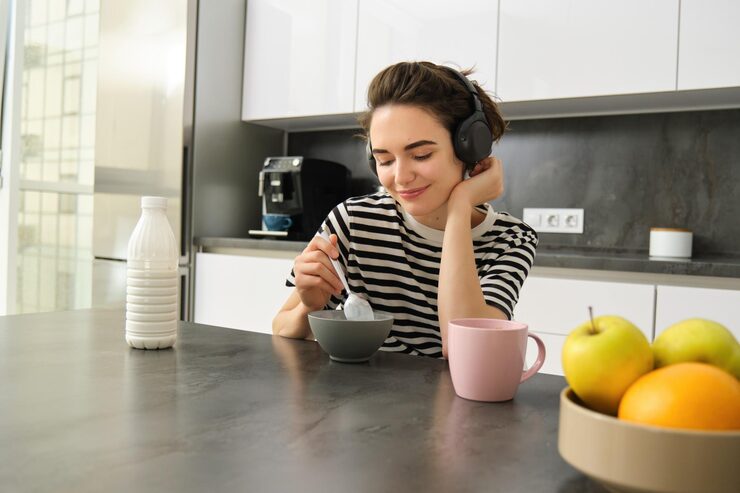

In today’s fast-moving digital world, building a daily self-care routine is no longer optional—it is essential for maintaining mental clarity, physical health, and emotional balance. With rising stress levels, screen addiction, and work pressure, more people are actively searching for practical ways to take care of themselves without disrupting their daily schedules.
The good news is that self-care does not require expensive products or drastic lifestyle changes. Simple daily habits can significantly improve your overall well-being when practiced consistently.
Why a Daily Self-Care Routine Is Important in Modern Life
Search trends show that people are increasingly looking for a daily self-care routine for mental health and structured habits to reduce anxiety and burnout. This reflects a shift from luxury self-care to functional and realistic routines that support everyday life.
A well-planned routine helps you:
- reduce stress and emotional exhaustion
- improve sleep and energy levels
- Stay productive and focused
- maintain better mental health
Even small daily actions can create long-term positive changes.
Morning Self-Care Routine for a Positive Start
Your morning routine sets the tone for the rest of your day. Many people search for a morning self-care routine for productivity because they want to begin their day with clarity instead of chaos.
Simple morning habits to include:
- Wake up at the same time every day
- Drink water before checking your phone
- Stretch or do light exercise
- Spend a few minutes planning your tasks
These habits help regulate your body clock and reduce morning stress, allowing you to start your day with focus and calmness.
Simple Self-Care Habits for Busy People
One of the biggest myths about self-care is that it takes a lot of time. In reality, even short and consistent practices can be highly effective. This is why searches for simple self-care habits for busy people have grown steadily in recent years.
Examples of effective daily habits:
- Taking short breaks during work
- Practicing deep breathing or mindfulness
- Staying hydrated throughout the day
- Limiting exposure to negative content online
These small habits protect your mental energy and prevent burnout without disrupting your schedule.
Mental Health as the Core of Self-Care
Self-care is deeply connected with mental health. People frequently search for self-care activities for stress and anxiety because emotional well-being affects every area of life—from productivity to relationships.
Emotional self-care practices:
- journaling thoughts and feelings
- talking openly with trusted friends or family
- setting boundaries with work and social obligations
- Taking intentional breaks from social media
When practiced regularly, these habits help you process emotions in a healthy way and maintain emotional stability.
Self-Care at Home Without Spending Money
Economic conditions and lifestyle changes have led to a surge in searches like self care ideas at home for free. This shows that people want self-care practices that are sustainable and affordable.
Free self-care activities you can try:
- walking outdoors or spending time in nature
- reading books or learning new skills
- organizing and decluttering your living space
- engaging in hobbies like drawing, writing, or music
Self-care is more about attention and intention than spending money.
Digital Detox: A Modern Self-Care Necessity
One of the biggest challenges of modern life is excessive screen time. Continuous exposure to smartphones and social media can lead to mental fatigue, anxiety, and poor sleep quality. This explains the growing search volume for how to reduce screen time and improve sleep.
Practical digital detox tips:
- Avoid screens at least 30 minutes before bedtime
- Turn off non-essential notifications
- Set daily limits on social media usage
- Keep your phone away during meals and conversations
A healthier relationship with technology can dramatically improve focus, mood, and sleep.
Night Routine for Better Sleep and Recovery
While mornings often get the most attention, your night routine is equally important. People frequently search for night self care routine for better sleep because sleep quality directly affects physical health, productivity, and emotional balance.
Healthy night routine habits:
- Maintain a consistent bedtime
- Avoid caffeine late in the day
- Read or meditate before sleeping
- Reflect on your day and plan for tomorrow
Good sleep acts as the foundation for all other self-care habits.
Weekly Self-Care Planning for Long-Term Balance
Daily habits keep you stable, but weekly self-care helps you stay organized and prevents burnout. Searches like weekly self-care routine checklist highlight the need for structured reflection and planning.
Weekly self-care ideas:
- reviewing your weekly goals and achievements
- cleaning and organizing your workspace
- spending quality time with loved ones
- planning meals and tasks for the upcoming week
This weekly reset helps you stay aligned with your priorities and reduces stress.
How to Build a Daily Self-Care Routine That Actually Works
Many people start strong but struggle to maintain consistency. The key is to keep your routine realistic and personalized. Search trends show growing interest in how to create a self-care routine step by step, indicating that users want structured guidance rather than vague advice.
Steps to build a sustainable routine:
- Start with one or two habits only
- Track your consistency instead of perfection
- Adjust your routine based on your lifestyle
- Focus on long-term improvement rather than quick results
A routine that fits your life is far more effective than copying one from social media.
Conclusion
A well-structured daily self-care routine is one of the most powerful tools for improving your physical health, mental clarity, and emotional stability. By incorporating small habits like mindful mornings, digital detox, and healthy sleep routines, you can create a balanced lifestyle that supports long-term well-being.
Self-care is not about luxury—it is about sustainability, consistency, and self-respect.