
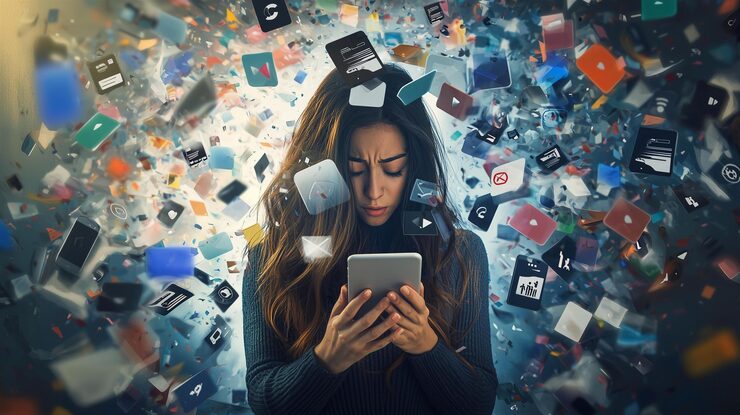
Social media has become a big part of our daily lives. From scrolling Instagram to checking updates on WhatsApp, we are constantly connected.
But have you ever noticed that after spending time on social media, you feel stressed, anxious, or even unhappy?
That’s not a coincidence.
Studies and real-life experiences show that social media increases anxiety, especially when used excessively or without awareness.
In this blog, you’ll learn:
- How social media affects your mental health
- Why does it increase anxiety
- And most importantly, how to control it effectively
Social media increases anxiety by promoting comparison, fear of missing out (FOMO), and constant information overload. You can control it by limiting screen time, avoiding negative content, practicing mindfulness, and using social media intentionally.
How Social Media Affects Mental Health
Social media can be helpful, but overuse can negatively impact your mental health.
Positive Effects:
- Staying connected
- Learning new things
- Entertainment
Negative Effects:
- Increased stress
- Anxiety and overthinking
- Low self-esteem
- Sleep problems
The problem is not social media itself — it’s how we use it.
Why Social Media Increases Anxiety
Let’s understand the real reasons behind social media anxiety.
1. Constant Comparison
You see others’ success, lifestyle, and happiness.
This leads to:
- Low confidence
- Feeling “not good enough.”
2. Fear of Missing Out (FOMO)
Seeing others enjoying life creates pressure.
3. Information Overload
Too much content equals mental exhaustion
4. Negative Content Exposure
News, negativity, and toxic posts increase stress.
5. Addiction & Dopamine Loop
Social media is designed to keep you hooked.
Signs of Social Media Anxiety
You might have social media anxiety if you experience the following:
- Feeling stressed after scrolling
- Comparing yourself with others
- Checking phone constantly
- Difficulty focusing
- Sleep problems
- Mood swings
How to Control Social Media Anxiety (Step-by-Step)
1. Limit Your Screen Time
Set a daily usage limit.
Example: Max 1–2 hours per day
2. Stop Mindless Scrolling
Use social media with purpose.
Ask: “Why am I opening this app?”
3. Unfollow Negative Accounts
Remove:
- Toxic content
- People who trigger comparison
Follow positive and educational content instead.
4. Take Regular Digital Detox
Take breaks from social media.
Try:
- 1 day per week
- Or a few hours daily
5. Avoid Social Media Before Sleep
Scrolling at night increases anxiety and overthinking.
Stop using your phone 30–60 minutes before bed.
6. Practice Mindfulness
Stay present in real life.
Activities:
- Meditation
- Walking
- Deep breathing
7. Focus on Real-Life Activities
Spend more time:
- With family
- On hobbies
- On personal growth
8. Turn Off Notifications
Reduce distractions and mental pressure.
9. Don’t Compare Your Life
Remember:
Social media shows highlights, not reality.
10. Replace with Productive Habits
Instead of scrolling:
- Read books
- Exercise
- Learn skills
Healthy Social Media Habits
- Use social media intentionally
- Follow positive content
- Set time limits
- Avoid scrolling in the morning
- Take breaks regularly
Common Mistakes to Avoid
- Excessive scrolling
- Comparing your life with others
- Following toxic accounts
- Using the phone before sleep
- Ignoring mental health