
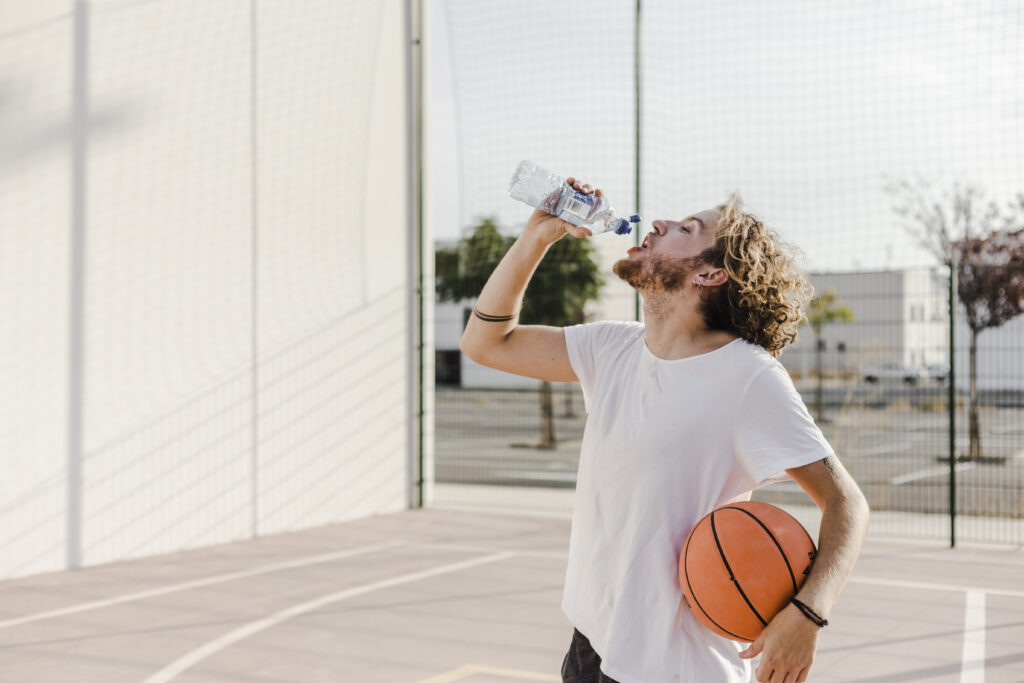
When temperatures rise, staying hydrated becomes more than just a health tip—it becomes essential for maintaining energy, focus, and overall well-being. Many people believe drinking water occasionally is enough, but the truth is that proper hydration requires consistent and smart habits.
Understanding how to stay hydrated in summer can help you avoid fatigue, headaches, dehydration, and even serious heat-related illnesses.
Why Hydration Is More Important in Summer
During summer, your body loses more fluids through sweat as it tries to regulate temperature. This means you need to replace not only water but also essential electrolytes to stay balanced.
Ignoring hydration can lead to:
- dizziness and headaches
- dry skin and lips
- low concentration and fatigue
This is why learning why hydration is important in hot weather for overall health is crucial, especially if you spend time outdoors or live in a hot climate.
Signs That Your Body Is Dehydrated
Many people wait until they feel extremely thirsty before drinking water. However, thirst is actually a late sign of dehydration.
Some early signs include:
- dark yellow urine
- dry mouth
- tiredness without reason
- frequent headaches
Recognizing these symptoms helps you understand how to identify early signs of dehydration in summer, allowing you to act before your health is affected.
Habit 1: Start Your Day With Water, Not Tea or Coffee
One of the simplest yet most ignored hydration habits is drinking water immediately after waking up. Your body loses fluids overnight, and starting your day with water helps restore balance.
Following morning hydration habits that improve energy levels can boost metabolism, improve digestion, and help you stay active throughout the day.
Habit 2: Don’t Wait to Feel Thirsty
Thirst is your body’s emergency signal, not a reminder. By the time you feel thirsty, your body is already dehydrated.
Instead, build a routine where you sip water throughout the day. This aligns with how much water you should drink daily in summer to stay healthy, which varies based on activity level, body weight, and climate.
Habit 3: Eat Water-Rich Foods
Hydration doesn’t only come from drinking water. Many fruits and vegetables contain high water content and help maintain fluid levels.
Examples include:
- watermelon
- cucumber
- oranges
- tomatoes
These foods are the best hydrating foods to eat during summer heat, while also providing vitamins and antioxidants that protect your skin and immune system.
Habit 4: Carry a Water Bottle Everywhere
One of the easiest ways to stay hydrated is to keep water within reach. When water is easily accessible, you are more likely to drink it regularly.
Using a reusable bottle encourages daily hydration habits for people with busy schedules, especially for students, professionals, and travelers who often forget to drink water during work or study.
Habit 5: Limit Dehydrating Drinks Like Caffeine and Soda
Beverages such as coffee, energy drinks, and sugary sodas can increase fluid loss and make dehydration worse if consumed in excess.
While you don’t need to completely avoid them, balancing them with water is essential. Understanding how caffeinated drinks affect hydration levels in summer can help you make smarter choices without completely giving up your favorite drinks.
Habit 6: Add Electrolytes When You Sweat Excessively
If you exercise, work outdoors, or sweat heavily, water alone may not be enough. You also lose sodium, potassium, and other electrolytes through sweat.
Adding natural sources such as:
- coconut water
- lemon water with a pinch of salt
- electrolyte drinks
supports natural ways to replenish electrolytes in hot weather and prevents muscle cramps, fatigue, and dizziness.
Habit 7: Set Hydration Reminders
Many people simply forget to drink water while working, gaming, or scrolling on their phones. Setting reminders on your phone or smartwatch can help build consistency.
This is one of the most practical hydration tips for people who forget to drink water regularly, and it is especially useful for students and office workers who spend long hours indoors.
Habit 8: Drink Water Before and After Outdoor Activities
If you only drink water after returning from the sun, your body has already lost a significant amount of fluid. Hydrating before stepping out helps your body cope with heat more effectively.
Following how to stay hydrated while working or traveling in hot weather is particularly important for people who commute long distances or work in outdoor environments.
Habit 9: Monitor Your Urine Color as a Hydration Indicator
One of the easiest ways to track hydration is by checking urine color. Light yellow usually indicates proper hydration, while dark yellow or amber suggests dehydration.
This simple method helps you understand simple ways to check if your body is properly hydrated, without needing any medical equipment or complicated calculations.
Habit 10: Build Hydration Into Your Routine, Not as an Afterthought
Hydration works best when it becomes part of your lifestyle rather than something you think about only during extreme heat.
For example:
- Drink water before meals
- Keep a glass of water on your desk
- sip water while commuting
These small actions help build daily summer health habits that prevent dehydration and heat exhaustion, ensuring long-term health and better energy levels.
How Hydration Supports Overall Health and Productivity
Proper hydration doesn’t just prevent thirst—it improves concentration, skin health, digestion, and even mood. People who stay hydrated often feel more energetic and focused, especially during hot and humid days. This is why hydration is considered a core part of summer self-care routines for maintaining physical and mental health, not just a seasonal recommendation.
Small Hydration Habits Make a Big Difference
Most people underestimate how much water their bodies need during summer. By the time symptoms appear, dehydration has already started affecting your performance and well-being.
Learning how to stay hydrated in summer is not about forcing yourself to drink liters of water at once—it’s about building small, consistent habits like eating hydrating foods, carrying water, and monitoring your body’s signals.
By adopting these smart hydration practices, you can stay energetic, protect your health, and enjoy summer without feeling drained or exhausted.