
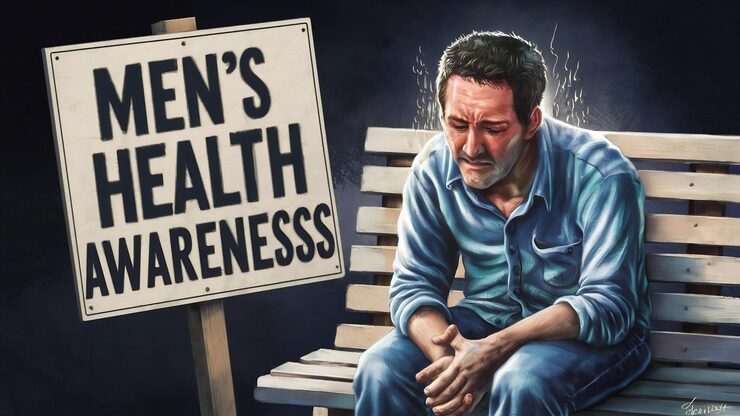
Mental health is no longer a topic we can ignore—especially when it comes to men. Across the world, millions of men silently struggle with stress, anxiety, depression, and emotional pressure, often without seeking help. That’s exactly why Men’s Mental Health Month exists.
But many people still ask:
- When is Men’s Mental Health Month?
- Is Men’s Mental Health Month in June or November?
- What is Men’s Mental Health Awareness Month, and why does it matter?
In this detailed guide, we’ll break everything down—from dates and importance to actionable ways men can improve their mental health.
When Is Men’s Mental Health Month?
Let’s clear the confusion first.
Men’s Mental Health Month is observed in June.
Yes, June is officially recognized as Men’s Mental Health Awareness Month in many countries, including the United States, the UK, Canada, and Australia.
This month is dedicated to:
- Raising awareness about the mental health challenges faced by men
- Encouraging open conversations
- Breaking the stigma around men seeking help
So if you’re wondering again, when is Men’s Mental Health Month?
Is Men’s Mental Health Month in June or November?
“Is Men’s Mental Health Month June or November?”
✔ June = Men’s Mental Health Awareness Month
- Focus: Mental health awareness, emotional well-being, support
- Campaigns: Education, therapy awareness, suicide prevention
✔ November = Men’s Health Month (Movember)
- Focus: Physical health + mental health
- Covers: Prostate cancer, testicular cancer, and mental health
- Popular campaign: Growing moustaches (Movember movement)
So both months are important—but:
November is Men’s Health Awareness Month
What Is Men’s Mental Health Awareness Month?
Men’s Mental Health Awareness Month is a global initiative aimed at addressing the unique mental health challenges men face.
Why it matters:
- Men are less likely to seek therapy
- Higher suicide rates among men globally
- Social pressure to “stay strong” or “not show emotions.”
This awareness month focuses on:
- Emotional expression
- Breaking toxic masculinity
- Promoting mental well-being
Why Men’s Mental Health Is Often Ignored
Despite growing awareness, men’s mental health is still overlooked. Here’s why:
1. Social Conditioning
From childhood, boys are told the following:
- “Don’t cry.”
- “Be strong.”
- “Man up.”
This creates emotional suppression.
2. Fear of Judgment
Many men feel:
- Talking about feelings = weakness
- Society will judge them
3. Lack of Awareness
Men often:
- Don’t recognize symptoms
- Ignore early warning signs
Key Mental Health Issues Men Face
During Men’s Mental Health Month, it’s important to highlight the most common struggles:
1. Depression
- Often goes undiagnosed in men
- Symptoms may appear as anger or irritability
2. Anxiety
- Work pressure, financial stress, family responsibilities
3. Stress & Burnout
- Career expectations
- Pressure to “provide.”
4. Substance Abuse
- Alcohol or drugs are used as coping mechanisms
5. Suicide Risk
- Men account for a higher percentage of suicide cases globally
Signs of Poor Mental Health in Men
Recognizing the signs is the first step toward healing.
Emotional Signs:
- Irritability or anger
- Feeling empty or numb
- Loss of interest
Physical Signs:
- Fatigue
- Sleep problems
- Appetite changes
Behavioral Signs:
- Isolation
- Risk-taking behavior
- Increased alcohol consumption
Why Men’s Mental Health Month Is Important
Understanding why Men’s Mental Health Awareness Month matters can change lives.
1. Breaks the Stigma
Encourages men to speak openly.
2. Promotes Early Help
Early support prevents serious issues.
3. Saves Lives
Awareness can reduce suicide rates.
4. Builds Support Systems
Friends, family, and workplaces become more supportive.
How Men Can Improve Their Mental Health
During Men’s Mental Health Month, awareness is important—but action is everything.
1. Talk About Your Feelings
- Speak to a friend, partner, or therapist
- Sharing reduces emotional burden
2. Prioritize Physical Health
- Exercise regularly
- Maintain a balanced diet
- Sleep properly
3. Limit Stress Triggers
- Set boundaries at work
- Avoid overthinking
4. Practice Mindfulness
- Meditation
- Deep breathing
- Journaling
5. Seek Professional Help
- Therapy is not a weakness
- It’s a strength
How Society Can Support Men
Men’s mental health is not just an individual issue—it’s a societal responsibility.
1. Encourage Open Conversations
Normalize talking about emotions.
2. Change Masculinity Narratives
Strength includes vulnerability.
3. Workplace Support
- Mental health days
- Counseling support
4. Family Support
- Listen without judgment
- Be emotionally available
Workplace & Men’s Mental Health
Work pressure is one of the biggest contributors to mental stress in men.
Common Issues:
- Long working hours
- Financial stress
- Job insecurity
Solutions:
- Work-life balance
- Flexible working hours
- Mental health programs
Role of Social Media in Men’s Mental Health
Social media can both help and harm.
Negative Impact:
- Comparison
- Unrealistic expectations
- Toxic content
Positive Impact:
- Awareness campaigns
- Support communities
- Access to mental health resources
How to Participate in Men’s Mental Health Awareness Month
Want to actively contribute during Men’s Mental Health Month?
Here’s how:
✔ Start Conversations
Ask your friends:
“How are you really doing?”
✔ Share Awareness Content
Use social media to spread knowledge.
✔ Support Someone
Be there for someone struggling.
✔ Educate Yourself
Learn about mental health issues.
✔ Donate or Volunteer
Support mental health organizations.
Myths About Men’s Mental Health
Let’s break some common myths:
❌ Myth 1: Men don’t get emotional
✔ Truth: Men feel emotions deeply but suppress them
❌ Myth 2: Therapy is for weak people
✔ Truth: Therapy is a tool for strength and growth
❌ Myth 3: Men should handle problems alone
✔ Truth: Support systems are essential