
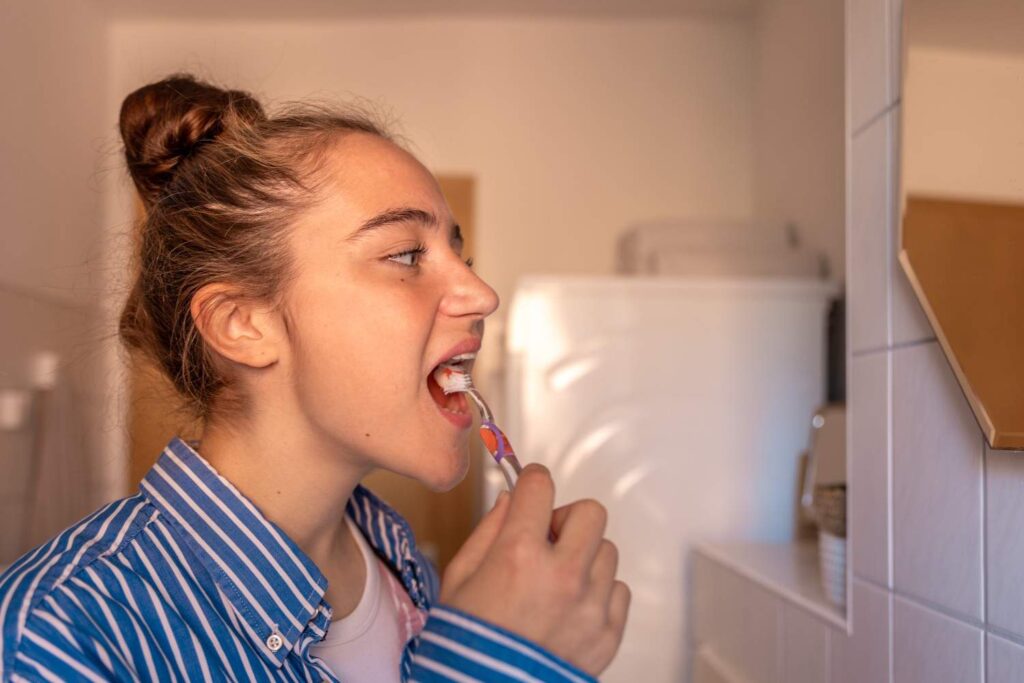
Healthy gums are the foundation of a healthy smile. But many people notice their teeth starting to look longer, increased tooth sensitivity, or bleeding while brushing without realizing these are common signs of gum recession. Gingival recession is becoming increasingly common among adults due to poor oral hygiene habits, aggressive brushing, smoking, stress-related teeth grinding, and gum disease.
If you are searching for practical ways to manage this condition at home, this complete guide on gingival recession self-care will help you understand the causes, symptoms, prevention methods, and natural self-care tips that can support healthier gums.
While severe cases require professional dental treatment, proper self-care can help slow down gum recession, reduce sensitivity, and improve overall oral health naturally.
What Is Gingival Recession?
Gingival recession occurs when the gum tissue surrounding the teeth gradually pulls back or wears away, exposing more of the tooth surface or tooth root. This creates small gaps between the teeth and gum line where bacteria can collect easily.
Over time, untreated gum recession may lead to:
- Tooth sensitivity
- Tooth decay near the roots
- Gum inflammation
- Loose teeth
- Bone loss
- Increased risk of periodontal disease
Gum recession develops slowly, which is why many people do not notice the condition until it becomes more serious.
Common Symptoms of Receding Gums
Recognizing the early signs is important for preventing further gum damage.
Signs and Symptoms Include:
- Teeth appearing longer than normal
- Exposed tooth roots
- Sensitivity to hot or cold foods
- Pain near the gumline
- Bleeding gums while brushing or flossing
- Swollen or red gums
- Persistent bad breath
- Spaces forming between teeth
- Loose teeth in advanced stages
If you experience these symptoms, improving your gingival recession self-care routine can help reduce further damage.
Main Causes of Gingival Recession
There is no single cause of receding gums. Several factors may contribute to gum tissue loss over time.
1. Aggressive Tooth Brushing
Brushing too hard or using a hard-bristle toothbrush can gradually wear down gum tissue and enamel.
2. Gum Disease
Periodontal disease caused by bacterial infection is one of the leading causes of gum recession.
3. Poor Oral Hygiene
Plaque and tartar buildup can irritate the gums and lead to inflammation and gum tissue loss.
4. Teeth Grinding and Clenching
Grinding teeth places excessive pressure on gums and supporting structures.
5. Smoking and Tobacco Use
Smoking reduces blood flow to the gums and weakens gum tissue over time.
6. Hormonal Changes
Hormonal fluctuations during pregnancy, menopause, or puberty may increase gum sensitivity.
7. Crooked Teeth or Misaligned Bite
Uneven pressure on gums due to misaligned teeth can contribute to recession.
8. Genetics
Some individuals naturally have thinner gum tissue, making them more prone to recession.
Why Gingival Recession Self-Care Matters
Proper self-care can:
- Slow down the gum recession progression
- Reduce tooth sensitivity
- Improve gum health naturally
- Lower bacterial buildup
- Support healthier teeth and gums
- Prevent complications
Although self-care cannot regrow lost gum tissue naturally in most cases, it can significantly improve oral hygiene and gum condition.
Best Gingival Recession Self-Care Tips
Use a soft-bristle toothbrush.
One of the most important steps in gingival recession self-care is switching to a soft or ultra-soft toothbrush.


Why It Helps
- Reduces gum irritation
- Prevents enamel damage
- Minimizes pressure on exposed roots
Brush gently using small circular motions instead of scrubbing aggressively.
Practice Proper Brushing Technique
Many people damage their gums without realizing it.
Correct Brushing Tips:
- Brush for 2 minutes twice daily
- Hold the toothbrush at a 45-degree angle
- Use gentle circular motions
- Avoid excessive force
- Replace toothbrush every 3 months
Choose the Right Toothpaste
Using toothpaste designed for sensitive teeth and gum protection can help reduce discomfort.
Look for Ingredients Like
- Potassium nitrate
- Stannous fluoride
- Fluoride for enamel protection
- Antibacterial ingredients
Avoid highly abrasive whitening toothpaste if you have gum recession.
Floss Carefully Every Day
Gentle flossing removes plaque between teeth and reduces gum inflammation.
Safe Flossing Tips
- Avoid snapping floss into gums
- Curve the floss around the tooth
- Move gently below the gumline
- Use waxed floss if gums are sensitive
Use Salt Water Rinse
A warm salt-water rinse is a simple home remedy that may help soothe irritated gums.
How to Prepare
- 1/2 teaspoon salt
- 1 cup warm water
Rinse for 30 seconds once or twice daily.
Stay Hydrated
Dry mouth increases bacterial growth and plaque accumulation.
Drinking enough water helps with the following:
- Wash away food particles
- Maintain saliva production
- Support healthy gums
Eat Foods That Support Gum Health
Nutrition plays a major role in oral health and gum tissue strength.


Best Foods for Healthy Gums
Vitamin C-Rich Foods
- Oranges
- Strawberries
- Kiwi
- Bell peppers
Calcium-Rich Foods
- Milk
- Yogurt
- Cheese
- Almonds
Crunchy Vegetables
- Carrots
- Cucumbers
- Celery
Anti-Inflammatory Foods
- Green leafy vegetables
- Nuts
- Fatty fish
Natural Remedies for Receding Gums
Many people search for natural gingival recession self-care remedies to improve gum health at home.
Aloe Vera Gel
Aloe vera may help reduce gum inflammation due to its soothing properties.
Coconut Oil Pulling
Oil pulling with coconut oil may reduce bacteria in the mouth.
How to Do It
- Swish 1 tablespoon of coconut oil for 10–15 minutes
- Spit it out
- Rinse with water
Green Tea
Green tea contains antioxidants that may support gum health.
Turmeric Paste
Turmeric has anti-inflammatory properties that may help irritated gums.
Things to Avoid If You Have Receding Gums
Avoiding harmful habits is equally important in gingival recession self-care.
Avoid:
- Hard-bristle toothbrushes
- Aggressive brushing
- Smoking and tobacco
- Excess sugar consumption
- Teeth grinding
- Ignoring gum bleeding
- Skipping dental cleanings
Can receding gums grow back naturally?
This is one of the most searched questions related to gingival recession self-care.
In most cases, gum tissue does not naturally grow back once lost. However, early intervention and proper oral care can:
- Prevent further recession
- Reduce inflammation
- Improve gum appearance
- Protect exposed roots
Severe gum recession may require professional dental treatments such as gum grafting.
Professional Treatments for Gum Recession
If home care is not enough, a dentist may recommend advanced treatment options.
Common treatments include:
- Deep dental cleaning
- Scaling and root planing
- Gum graft surgery
- Pinhole surgical technique
- Orthodontic correction
- Night guards for teeth grinding
Professional care combined with proper self-care provides the best long-term results.
How to Prevent Gum Recession
Prevention is always easier than treatment.
Prevention Tips
- Brush gently twice daily
- Floss regularly
- Visit your dentist every 6 months
- Quit smoking
- Treat teeth grinding early
- Maintain a healthy diet
- Use fluoride toothpaste
- Manage stress levels
Professional Treatments for Gum Recession
If home care is not enough, a dentist may recommend advanced treatment options.
Common treatments include:
- Deep dental cleaning
- Scaling and root planing
- Gum graft surgery
- Pinhole surgical technique
- Orthodontic correction
- Night guards for teeth grinding
Professional care combined with proper self-care provides the best long-term results.
How to Prevent Gum Recession
Prevention is always easier than treatment.
Prevention Tips
- Brush gently twice daily
- Floss regularly
- Visit your dentist every 6 months
- Quit smoking
- Treat teeth grinding early
- Maintain a healthy diet
- Use fluoride toothpaste
- Manage stress levels
Frequently Asked Questions (FAQs)
Disclaimer:
This article is for informational and educational purposes only and is not intended to replace professional dental advice, diagnosis, or treatment. Always consult a qualified dentist or healthcare professional regarding any dental concerns or persistent symptoms related to gingival recession.