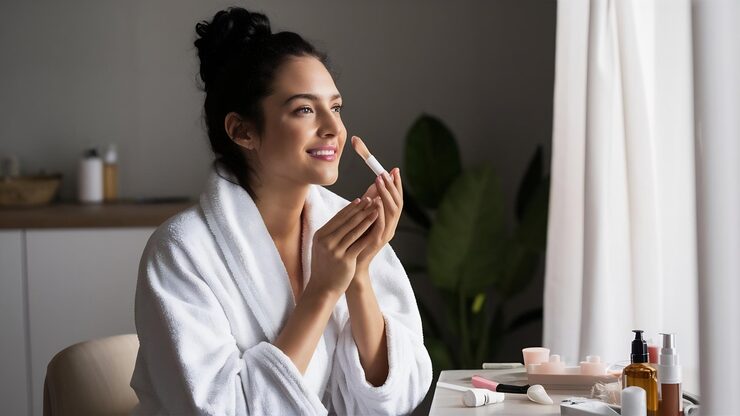
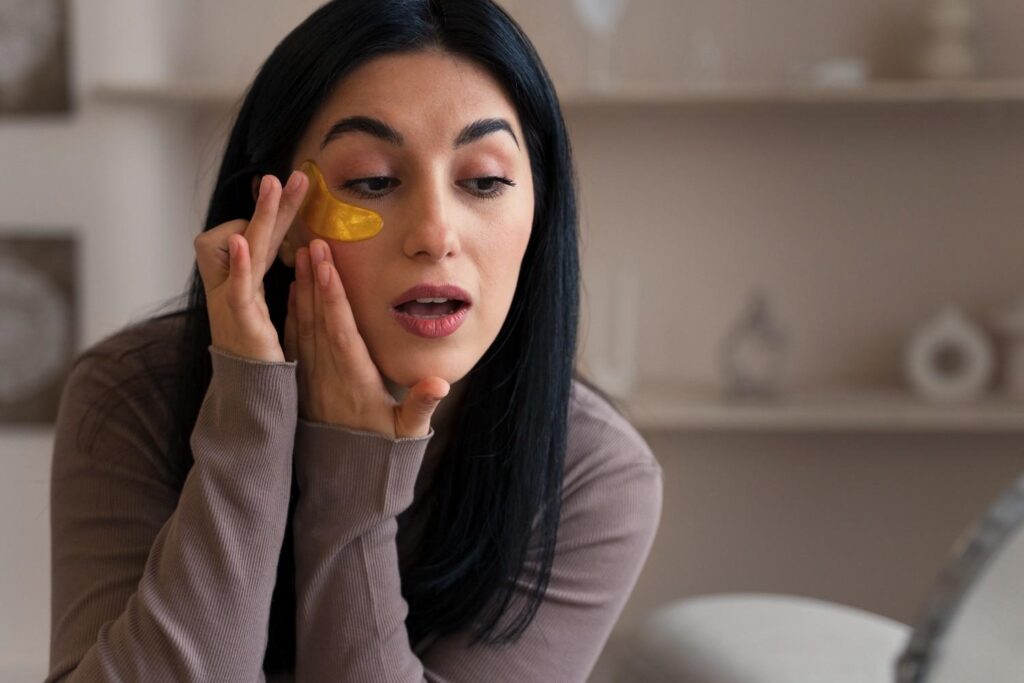
What if your redness, breakouts, and irritation weren’t random but signals? Here’s how to finally listen.
introduction: The Shelf Full of Lies
She had tried everything.
Serum after serum. Cream after cream. Her bathroom shelf looked like a specialty skincare boutique—rows of amber bottles, jade rollers, sheet masks stacked in neat little squares. She’d read every Reddit thread, watched every dermatologist YouTube video, and spent more money on her face than she cared to admit.
Yet every morning, the mirror told the same story. Red. Reactive. Tired. A complexion that seemed perpetually irritated, perpetually inflamed — like it was quietly angry at something and nobody could figure out what.
It wasn’t until a dermatologist looked at her skin under a magnifying lamp and said four simple words — “your skin is chronically inflamed” — that the entire puzzle finally clicked into place.
That moment changed everything.
Because once she understood inflammation as the root cause, rather than a symptom to suppress, the path forward became surprisingly clear. She didn’t need more products. She needed a smarter philosophy — one rooted in biology, not marketing. One that her skin had been begging for all along.
This is that philosophy. And this guide is for everyone who has ever stood in front of a mirror, frustrated and confused, wondering why nothing seems to work.
What Is Anti-Inflammatory Skincare, Really?
Before diving into routines and ingredient lists, let’s get clear on what we’re actually talking about.
Anti-inflammatory skincare is not a product category. It’s not a label you’ll find on a bottle (though plenty of brands have tried to slap it there). It’s a science-backed approach to skin health that identifies chronic inflammation as the primary driver behind most common skin concerns — and systematically works to reduce it.
At its core, the approach rests on three pillars:
First: Calm what’s already inflamed. Use ingredients and methods that actively reduce inflammatory activity in the skin — soothing immune responses, reducing redness, and repairing damage already done.
Second: Stop adding to the fire. Remove products, habits, and ingredients that are quietly triggering inflammatory responses — often without you ever realizing it.
Third: Strengthen the barrier that keeps inflammation out. A healthy skin barrier is the body’s first line of defense. When it’s functioning well, it keeps irritants, allergens, and bacteria where they belong — outside. When it breaks down, inflammation follows.
Simple in principle. Genuinely transformative in practice.
Understanding Skin Inflammation at the Cellular Level
To understand why anti-inflammatory skincare for sensitive skin works so well, you need to understand what inflammation actually does to your skin — not just visually, but biologically.
When your skin detects a threat — ultraviolet radiation, a harsh chemical, an allergen, pollution, even chronic stress — specialized cells called keratinocytes and mast cells release chemical messengers known as pro-inflammatory cytokines. These cytokines are essentially an alarm signal, summoning immune cells to the area and triggering what dermatologists call the “inflammatory cascade.”
In the short term, this is protective. It’s how the body heals wounds, fights infections, and repairs UV damage. The problem begins when this response never fully switches off.
Chronic, low-grade inflammation is the skin’s version of a car alarm that nobody turns off. You eventually stop consciously hearing it — but it’s still running in the background, draining the battery, wearing out the system. Over time, this persistent inflammatory state breaks down collagen and elastin (accelerating visible aging), disrupts the skin’s lipid barrier (increasing transepidermal water loss and sensitivity), alters sebaceous gland activity (producing more or differently textured sebum that clogs pores), and makes the skin hypersensitive to things it would normally tolerate without issue.
Dermatologists have coined a term for the intersection of chronic inflammation and aging: inflammaging. It’s one of the most important concepts in modern skin science, and it explains why so many people notice that their skin seems to age faster than expected — not because of genetics alone, but because of persistent, unaddressed inflammatory stress accumulating over years.
What’s particularly sobering is that you don’t need visibly red or reactive skin to be experiencing significant inflammation. Subclinical inflammation — below the surface, invisible to the naked eye — can silently drive premature collagen breakdown, uneven texture, persistent dullness, and enlarged pores for years before any dramatic visible sign appears.
This is why anti-inflammatory skincare isn’t just for people with rosacea or eczema. It’s for anyone who cares about long-term skin health.
Skin Conditions Rooted in Inflammation
Understanding the inflammatory basis of common skin conditions reframes how you approach treating them. Rather than chasing individual symptoms, you address the underlying immune environment that allows them to persist.
Inflammatory Acne The most common form of acne — papules, pustules, nodules, and cysts — is fundamentally an inflammatory condition. When a follicle becomes blocked and Cutibacterium acnes bacteria proliferate within it, the immune system mounts an inflammatory response. The redness, swelling, and pain associated with a breakout are immune activity, not just a blocked pore. This is why purely mechanical approaches (physical exfoliation, pore strips) miss the point. Calming the inflammatory response is as important as addressing the blockage itself.
Rosacea Rosacea is a chronic inflammatory vascular condition affecting primarily the central face. Its triggers — heat, spicy food, alcohol, UV exposure, stress — are all capable of activating inflammatory pathways that cause blood vessels to dilate and mast cells to release histamine. The result is flushing, persistent redness, visible blood vessels, and in some subtypes, pustular breakouts that are frequently mistaken for acne. Anti-inflammatory skincare for rosacea focuses on barrier support, trigger avoidance, and topical anti-inflammatory actives like azelaic acid and niacinamide.
Eczema and Atopic Eczema dermatitis is perhaps the clearest example of inflammation driving a skin condition. The underlying issue is a combination of genetic barrier dysfunction (often involving a mutation in the filaggrin gene) and immune system dysregulation. When the barrier is compromised, allergens and microbes penetrate, triggering an exaggerated Th2 immune response — the same pathway involved in asthma and hay fever. The result is intensely inflamed, itchy, weeping skin. Every aspect of eczema management — barrier repair, trigger avoidance, topical anti-inflammatories — is anti-inflammatory by definition.
Psoriasis: An autoimmune condition in which T-cells mistakenly attack healthy skin cells, accelerating cell turnover and producing the characteristic raised, inflamed plaques. The inflammatory pathway here involves specific cytokines (TNF-alpha, IL-17, IL-23) that are now targets of highly effective biologic medications. Topically, anti-inflammatory skincare cannot treat psoriasis at a clinical level, but it can manage surface inflammation, support the barrier, and minimize environmental triggers.
Perioral Dermatitis and Seborrheic Dermatitis Both involve chronic inflammatory responses around specific facial regions — the mouth and nose in perioral dermatitis, the scalp and eyebrows in seborrheic dermatitis (driven partly by an inflammatory reaction to Malassezia yeast). Both respond to anti-inflammatory approaches that calm the immune response and restore barrier function.
Accelerated Skin Aging Perhaps the least dramatic but most widespread manifestation of chronic inflammation. Inflammaging — the gradual breakdown of collagen and elastin by inflammatory enzymes called matrix metalloproteinases — produces fine lines, loss of firmness, uneven tone, and enlarged pores that develop years earlier than genetics would predict. Sun exposure, pollution, diet, and stress are all inflammaging accelerants. Anti-inflammatory skincare for aging is the most powerful long-term investment you can make in your skin’s future.
The Hero Ingredients: What the Research Actually Supports
The skincare market is saturated with products claiming to be soothing, calming, or gentle. But ingredient lists tell the truth that marketing copy obscures. The following are the anti-inflammatory skincare ingredients that have genuine, peer-reviewed evidence behind them — the ones worth understanding, seeking out, and building your routine around.
Niacinamide (Vitamin B3)
If there is a single anti-inflammatory skincare ingredient that deserves universal inclusion in nearly every routine, niacinamide is it.
At concentrations of 2–10%, niacinamide has been clinically shown to reduce the production of pro-inflammatory cytokines in the skin, strengthen the skin barrier by upregulating ceramide and free fatty acid synthesis, reduce sebum production in oily skin, inhibit the transfer of melanin to keratinocytes (dramatically improving post-inflammatory hyperpigmentation), and demonstrate meaningful reduction in acne lesion counts comparable to topical antibiotics — without antibiotic resistance.
It is also extraordinarily stable, compatible with nearly every other ingredient, suitable for pregnancy, and appropriate for virtually every skin type. If your current routine doesn’t include niacinamide, that’s the first thing to change.
Centella Asiatica (Cica)
Centella asiatica — known colloquially as cica, gotu kola, or tiger grass — has been used in traditional Ayurvedic and East Asian medicine for centuries to heal wounds and reduce inflammation. Modern dermatological research has validated this heritage comprehensively.
The active compounds — asiaticoside, madecassoside, asiatic acid, and madecassic acid — work through multiple anti-inflammatory mechanisms. They inhibit inflammatory enzymes, stimulate collagen synthesis in dermal fibroblasts, support wound healing, reduce erythema (redness), and calm neural sensitization that contributes to the burning and stinging sensations associated with reactive skin.
For rosacea-prone skin, post-procedure recovery, eczema-adjacent sensitivity, and general barrier compromise, centella asiatica is among the most clinically relevant topical botanicals available.
Azelaic Acid
Azelaic acid is one of the most underrated actives in dermatology, and it sits squarely at the intersection of anti-inflammatory, antibacterial, and skin-tone-correcting benefits.
Naturally produced by Malassezia yeast, azelaic acid inhibits the enzyme 5-alpha reductase (reducing sebum production), disrupts the bacterial mechanisms that drive acne inflammation, reduces the production of inflammatory mediators in rosacea, and inhibits tyrosinase (the enzyme that produces excess pigment in post-inflammatory hyperpigmentation).
At prescription concentrations (15–20%), it’s a first-line treatment for both acne and rosacea. At over-the-counter concentrations (10%), it delivers meaningful results for sensitive and reactive skin types. It is also one of the very few actives considered safe during pregnancy — a remarkable distinction in a category full of contraindications.
Ceramides and Barrier Lipids
Ceramides are sphingolipids that make up roughly 50% of the intercellular matrix in the stratum corneum — the outermost layer of skin. They function as the “mortar” between skin cells, sealing the barrier and preventing water loss and irritant penetration.
When ceramide levels are depleted — through aging, harsh surfactants, over-exfoliation, cold weather, or genetic factors — the barrier develops microscopic gaps. These gaps increase transepidermal water loss, allow inflammatory triggers to penetrate, and create the tight, stinging, reactive sensation that so many people describe as simply “dry” or “sensitive” skin.
Topical ceramides — particularly when formulated with free fatty acids and cholesterol in an approximation of the skin’s natural lipid ratio — directly replenish these lost barrier components. This isn’t cosmetic moisturization; it’s structural repair. And structural repair is foundational anti-inflammatory skincare.
Green Tea Extract (EGCG)
Epigallocatechin gallate — the primary bioactive polyphenol in green tea — is a remarkable topical anti-inflammatory and antioxidant. Applied to skin, EGCG has been shown to reduce UV-induced erythema and oxidative damage, suppress inflammatory signaling via the NF-κB pathway, reduce sebaceous gland activity and sebum production, and demonstrate measurable reduction in acne lesions in controlled clinical trials.
For people seeking natural anti-inflammatory skincare for acne, a well-formulated green tea extract serum or lotion offers genuine evidence-based results rather than the vague “botanical wellness” claims that characterize so much of the natural skincare market.
Colloidal Oatmeal
One of the oldest anti-inflammatory skincare ingredients in use — and still one of the most effective for severely sensitized and eczema-prone skin.
Oats contain unique polyphenols called avenanthramides that directly inhibit the NF-κB inflammatory signaling pathway, providing measurable reduction in itch, redness, and inflammatory activity. The FDA formally recognizes colloidal oatmeal as an over-the-counter skin protectant — a designation reserved for ingredients with strong evidence of efficacy and safety.
For anyone dealing with reactive, sensitized, or eczema-adjacent skin, colloidal oatmeal is not a “nice to have.” It belongs in the core routine.
Resveratrol
Found naturally in grapes, berries, peanuts, and certain plant skins, resveratrol is a stilbenoid polyphenol that has attracted significant scientific attention for its anti-inflammatory and anti-aging properties.
Topically applied, resveratrol neutralizes free radicals before they can initiate inflammatory cascades, inhibits the NF-κB transcription factor (a central regulator of inflammatory gene expression), protects against UV-induced lipid peroxidation, and has demonstrated activity against the matrix metalloproteinases responsible for collagen degradation in inflammaging.
In terms of anti-inflammatory skincare for aging, resveratrol is particularly valuable when combined with other antioxidants — its synergy with vitamins C and E produces significantly greater free radical protection than any single antioxidant alone.
Bakuchiol
Bakuchiol deserves special mention as the anti-inflammatory alternative to retinoids for those who cannot tolerate conventional vitamin A derivatives.
Extracted from the seeds of Psoralea corylifolia, bakuchiol has been shown in multiple controlled trials to produce retinol-comparable improvements in fine lines, skin texture, and pigmentation — without the dryness, irritation, photosensitivity, and inflammatory purging that make retinoids so challenging for sensitive, reactive, or barrier-compromised skin types.
For people with rosacea, eczema, or significant barrier dysfunction who want the cell-turnover and anti-aging benefits of retinoids without the inflammatory cost, bakuchiol is not a compromise. In the context of anti-inflammatory skincare, it may actually be the superior choice.
Zinc (Topical and Supplemental)
Zinc is underappreciated in the context of anti-inflammatory skincare. Topically, zinc oxide (the mineral sunscreen ingredient) has direct anti-inflammatory activity — not just sun protection. Zinc pyrithione has demonstrated anti-inflammatory efficacy in seborrheic dermatitis. And supplemental zinc has been studied as an adjunct treatment for inflammatory acne, with some trials showing efficacy comparable to low-dose antibiotics.
For acne-prone, rosacea-prone, or seborrheic-dermatitis-prone skin, seeking out zinc-containing formulations across categories — sunscreen, spot treatment, shampoo — is a practical and well-evidenced anti-inflammatory strategy.
Building Your Anti-Inflammatory Skincare Routin
Here’s the foundational truth about anti-inflammatory skincare routine design: less, intentionally, is almost always more.
The instinct when skin is struggling is to add — another serum, another treatment, another layer of intervention. But in most cases, the struggling is caused by too much, not too little. Too many actives competing for the same enzymes. Too many potential irritants in too many formulations. Too much disruption to a barrier that desperately needs rest and repair.
Build the routine around the philosophy of subtraction first, addition second. Strip everything back. Establish a gentle, effective foundation. Then — slowly, one ingredient at a time — reintroduce actives as the skin tolerates them.
Morning Routine: Protect and Prevent
Step 1: Gentle, Low-pH Cleansing (or Just Water)
The morning cleanse has one job: remove sweat, sebum, and any skincare products applied the night before — without disturbing the barrier that your skin spent overnight rebuilding.
Choose a fragrance-free, surfactant-gentle cleanser with a pH between 4.5 and 5.5. Avoid anything that produces a tight, squeaky-clean sensation — that’s barrier stripping, not barrier cleansing. For many people with reactive or dry skin, a plain lukewarm water rinse in the morning is entirely sufficient and preferable to any cleanser at all.
Step 2: Antioxidant Serum
Before UV exposure, pollution, and environmental stressors begin their inflammatory work on your skin, an antioxidant serum acts as a biochemical shield — neutralizing free radicals before they trigger oxidative inflammation.
Vitamin C (as L-ascorbic acid at 10–20%, or more stable derivatives like ascorbyl glucoside or sodium ascorbyl phosphate for sensitive skin), combined with vitamin E and ferulic acid, creates a synergistic antioxidant effect with well-documented UV protection enhancement. Alternatively, a niacinamide serum at 5–10% provides broad anti-inflammatory benefits with greater formulation stability and tolerability across reactive skin types.
This step is not optional in an anti-inflammatory routine. Preventing inflammatory damage before it occurs is more effective than treating it afterward.
Step 3: Targeted Treatment (If Applicable)
For active inflammatory acne, this is where azelaic acid at 10–15% belongs — applied to affected areas or across the face depending on presentation. For rosacea-prone skin, a centella asiatica serum or green tea extract treatment fits here. For sensitive or barrier-compromised skin with no specific active concern, this step may be skipped entirely in the morning.
Do not layer multiple actives in the same step. Choose one treatment per session.
Step 4: Ceramide-Rich Moisturizer
Regardless of skin type — including oily and acne-prone — moisturizer is non-negotiable in an anti-inflammatory routine. The goal is not to add greasiness; it’s to seal the barrier and prevent transepidermal water loss that leaves skin vulnerable to inflammatory triggers.
Look for formulas containing ceramides, niacinamide, hyaluronic acid, glycerin, and free fatty acids like linoleic acid. Avoid fragrances, essential oils, and alcohol in your moisturizer — this is the product that sits on your skin longest, and any irritant here has maximum opportunity to provoke an inflammatory response.
Step 5: Broad-Spectrum SPF 30–50
This is the single most powerful anti-inflammatory skincare step available. Full stop.
UV radiation is the primary environmental driver of chronic skin inflammation, collagen degradation, post-inflammatory hyperpigmentation, and inflammaging. No amount of soothing serum or calming botanical extract can meaningfully offset the inflammatory damage from repeated, unprotected sun exposure.
For inflamed, reactive, or rosacea-prone skin, a 100% mineral (zinc oxide and/or titanium dioxide) sunscreen is strongly preferable. Zinc oxide has direct anti-inflammatory activity. Mineral formulas do not penetrate the skin or generate free radicals in the way that some chemical UV filters have been shown to under certain conditions. They are the anti-inflammatory choice within the sunscreen category.
Evening Routine: Repair and Restore
Step 1: Thorough but Gentle Cleansing
The evening cleanse is more important than the morning — it removes the cumulative load of pollution, oxidized sebum, SPF residue, makeup, and environmental stressors accumulated throughout the day. All of these, left on skin overnight, contribute to inflammatory signaling.
An oil or micellar-based first cleanser effectively dissolves sunscreen and makeup without disrupting pH. Follow with a gentle low-pH water-based cleanser if needed. Use lukewarm (never hot) water, and pat — never rub — dry.
Step 2: Targeted Anti-Inflammatory Treatment
Evening is when the skin enters its natural repair phase, increasing blood flow to the dermis and ramping up collagen synthesis and cell turnover. This makes nighttime the optimal window for introducing actives — with a critical caveat: introduce them slowly and strategically.
For acne-prone skin: azelaic acid alternated with a low-strength BHA (salicylic acid 0.5–1%) is a gentle, effective combination used on alternate nights.
For aging skin: bakuchiol used nightly, or retinol introduced gradually (starting at 0.025–0.1%, twice weekly, increasing frequency as tolerance builds). Never combine retinoids with AHAs on the same night.
For severely sensitized or eczema-adjacent skin: skip actives entirely until the barrier is meaningfully repaired. A nourishing centella asiatica concentrate or a barrier-focused serum with panthenol and beta-glucan is sufficient for the treatment step during a barrier recovery phase.
Step 3: Rich Repair Moisturizer
Choose a richer, more occlusive formula than your morning moisturizer. Evening is the time for deep nourishment. Ingredients to look for include ceramides, peptides, squalane, shea butter, panthenol (vitamin B5), allantoin, and fatty alcohols like cetearyl alcohol.
For those with very compromised barriers — dealing with active eczema flares, post-procedure sensitivity, or severe dryness — the practice of “slugging” (applying a thin layer of plain petroleum jelly or a similar occlusive as the final step) dramatically accelerates barrier recovery by reducing transepidermal water loss to near zero overnight. It sounds industrial; the results are remarkable.
What’s Actually Causing Your Skin Inflammation (And It’s Probably in Your Routine)
This is the section that may be uncomfortable to read. Because the inflammatory triggers that are most damaging to chronically inflamed skin are often the ones hiding inside the products people use daily — including, very possibly, products marketed as “gentle,” “natural,” or “sensitive-skin-friendly.”
Synthetic Fragrance
Fragrance is the most common cause of allergic contact dermatitis in skincare and cosmetics. Listed as “parfum” or “fragrance” on an INCI ingredient list, it can represent a proprietary blend of potentially hundreds of chemical compounds — none of which need to be individually disclosed.
For skin that is already inflamed, reactive, or compromised, fragrance exposure doesn’t just cause immediate irritation. It can sensitize the skin over time, progressively lowering its tolerance threshold until it reacts to fragrances it previously tolerated — and eventually to other, unrelated ingredients as well. Fragrance-free is a genuine clinical recommendation, not a preference.
Essential Oils
The natural skincare world has enthusiastically embraced essential oils, but the dermatological evidence is clear: many commonly used essential oils — citrus oils (bergamot, lemon, lime), peppermint, eucalyptus, lavender at high concentrations, cinnamon, and clove — are documented skin sensitizers and potential inflammatory triggers.
“Natural” and “non-inflammatory” are not synonyms. Poison ivy is natural. The origin of an ingredient tells you nothing about its inflammatory profile in skin.
Over-Exfoliation
The modern skincare influencer’s fatal flaw. Chemical exfoliants — AHAs like glycolic and lactic acid, BHAs like salicylic acid — are valuable, well-evidenced actives when used appropriately. Physical scrubs can serve a purpose in non-reactive, well-functioning skin. But used too frequently, at too high a concentration, or stacked with other actives, they strip the skin barrier faster than it can regenerate.
The result is what dermatologists now see with increasing frequency: “cosmetic sensitivity syndrome” — chronically sensitized, over-stripped skin that reacts to nearly everything and takes months to rehabilitate. If your skin tingles, stings, or burns with products it didn’t previously react to, over-exfoliation may have permanently (temporarily? sustainably?) lowered your skin’s tolerance threshold.
Denatured Alcohol (Alcohol Denat)
High concentrations of ethanol or denatured alcohol are used in skincare products for their quick-drying, mattifying, and preservative properties. They also strip the skin’s natural lipid barrier with every application.
Short-term: the skin feels tight and matte. Longer-term: the barrier is progressively disrupted, transepidermal water loss increases, and the inflammatory cycle that produces more oil (compensatory sebum) begins. Many people with “oily” skin are actually experiencing this cycle of dehydration-driven overproduction driven by years of alcohol-heavy products.
Sulfate Surfactants
Sodium lauryl sulfate (SLS) and sodium laureth sulfate (SLES) are highly effective cleansing agents that are also highly disruptive to the skin barrier. Their small molecular size allows them to penetrate and disrupt the tight junction proteins between skin cells, and they denature the structural proteins in the stratum corneum.
For people with eczema, rosacea, or barrier-compromised skin, sulfate-based cleansers can trigger measurable inflammatory responses with regular use. The shift to sulfate-free, gentle surfactant alternatives — glucosides, betaines, and amino acid-based surfactants — is one of the most impactful single changes many people make in their anti-inflammatory skincare transition.
The Anti-Inflammatory Lifestyle: What Your Products Can’t Fix Alone
There is a ceiling to what topical skincare can achieve for chronically inflamed skin — and it’s lower than most people want to believe.
Skin inflammation does not exist in isolation. The immune activity in your skin is connected, through well-documented biological pathways, to the rest of your body: your gut, your stress response system, your sleep quality, your diet, your metabolic health. Ignoring these connections while investing in topical products is like mopping the floor while the tap is still running.
Diet and the Gut-Skin Axis
The gut-skin axis is one of the most actively researched areas in dermatology, and the emerging findings are compelling. Gut microbiome dysbiosis — an imbalance in the bacteria, yeasts, and other microorganisms that populate the intestinal tract — has been associated with increased systemic inflammatory markers and worsened outcomes in acne, rosacea, eczema, and psoriasis.
Practically, this means: diets high in processed foods, refined carbohydrates, and added sugars tend to promote both gut dysbiosis and systemic inflammation. Diets rich in fiber (which feeds beneficial bacteria), fermented foods (which introduce beneficial bacteria), omega-3 fatty acids (which produce anti-inflammatory prostaglandins), and polyphenol-rich fruits and vegetables (which modulate inflammatory signaling) support both gut health and skin health simultaneously.
The Mediterranean dietary pattern has the strongest and most consistent evidence base for reducing inflammatory markers systemically — and its effects on inflammatory skin conditions are increasingly supported by clinical research.
Sleep and Cortisol
Sleep is when the skin does its most intensive repair work — collagen synthesis peaks, barrier lipids are replenished, and inflammatory activity resolves. Chronic sleep deprivation disrupts all of these processes simultaneously, while also elevating cortisol — the body’s primary stress hormone and a potent driver of inflammatory activity.
Elevated cortisol increases the skin’s production of sebum, increases intestinal permeability (contributing to gut-skin axis dysregulation), and activates mast cells in the skin to release histamine and other pro-inflammatory mediators. Many people notice that their skin flares reliably during periods of poor sleep — this is not coincidence. It’s biology.
The Stress-Skin Connection
The psychodermatology literature is unambiguous: psychological stress is a documented trigger for flares of acne, rosacea, eczema, and psoriasis. The mechanism involves the skin’s own stress response system — corticotropin-releasing hormone (CRH) and its receptors are expressed in mast cells throughout the dermis, connecting emotional stress directly to immune activation in skin tissue.
Addressing stress — through whatever combination of exercise, mindfulness, therapy, sleep, or lifestyle adjustment works for you — is not ancillary to anti-inflammatory skincare. For people with chronic inflammatory skin conditions, it is clinical intervention.
Water Quality
An often-overlooked environmental factor. Hard water — containing elevated levels of calcium and magnesium ions — deposits mineral residue on the skin surface after washing, disrupts the skin’s slightly acidic pH, and can bind to and inactivate surfactants in cleansers, requiring more product for the same result.
Research has shown associations between hard water exposure and increased eczema severity, particularly in children. If your skin consistently behaves worse at home than when traveling, or if you’ve moved and noticed a change in skin behavior, water hardness is worth investigating. A shower filter or a final rinse with filtered or bottled water can be a meaningful intervention.
Skin-Type-Specific Anti-Inflammatory Approaches
Anti-Inflammatory Skincare for Acne-Prone Skin
The conventional approach to acne-prone skin — strip, dry, and attack — is fundamentally at odds with the anti-inflammatory philosophy, and the evidence increasingly suggests it makes things worse over time.
Aggressive surfactants and alcohol-heavy toners strip the barrier and trigger compensatory sebum overproduction. Benzoyl peroxide, while genuinely effective at killing C. acnes bacteria, also generates significant free radical activity and can be profoundly drying and barrier-disruptive when overused. Physical scrubbing spreads bacteria and traumatizes already-inflamed follicles.
The anti-inflammatory approach to acne replaces aggression with intelligence:
- Niacinamide 5–10% as the core anti-inflammatory and sebum-regulating active
- Azelaic acid 10–15% for both active lesions and post-inflammatory marks
- Low-concentration BHA (salicylic acid 0.5–1%) used 2–3 times weekly, not daily
- Ceramide-rich moisturizer even on oily skin — hydration prevents dehydration-driven overproduction
- Mineral SPF daily — sun exposure may temporarily “dry” blemishes but triggers the inflammation that makes them worse over time
Anti-Inflammatory Skincare for Rosacea
Rosacea requires the most conservative application of anti-inflammatory skincare principles. The barrier in rosacea-prone skin is functionally compromised, nerve endings are abnormally sensitized, and the threshold for triggering vascular and immune responses is dramatically lowered.
The foundation is rigorous gentleness: fragrance-free, essential-oil-free, low-temperature everything. Lukewarm water, soft cloths, no physical exfoliation, no stinging actives. Mineral SPF as a non-negotiable daily step. Centella asiatica and niacinamide as the primary anti-inflammatory actives. Azelaic acid for papulopustular subtype. And for internal management, identifying and avoiding individual triggers—which vary significantly between individuals — is as important as any topical intervention.
Anti-Inflammatory Skincare for Eczema and Extremely Dry Skin
The priority in eczema-prone and severely dry skin is singular: barrier repair, above all else. Before any active ingredient can be considered, the lipid barrier must be functional enough to keep inflammatory triggers out.
This means ceramide-rich creams or ointments applied liberally after every bath or shower to damp skin, sealing in moisture before it evaporates. Gentle, fragrance-free, sulfate-free cleansing. Colloidal oatmeal products for immediate relief of inflammation and itch. Cotton or bamboo fabrics against the skin. Humidifiers in dry climates. And the avoidance — sometimes permanent — of any product containing potential allergens or irritants, including many “natural” botanical extracts.
For active eczema flares, topical corticosteroids prescribed by a dermatologist are often necessary, and there is no shame in using them. Severe barrier dysfunction creates an inflammatory environment that topical anti-inflammatory skincare cannot adequately manage alone.
Anti-Inflammatory Skincare for Aging Skin
Inflammaging is the lens through which all anti-aging skincare should be viewed. Every environmental exposure that generates oxidative stress — UV radiation, pollution, smoke, poor diet, chronic stress — accelerates the inflammatory degradation of collagen and elastin. Every anti-inflammatory intervention made today is an investment in visible skin health five, ten, and twenty years from now.
The anti-inflammatory anti-aging routine emphasizes:
- Daily broad-spectrum mineral SPF (the single most evidence-backed anti-aging intervention)
- Antioxidant serum (vitamin C + E + ferulic acid, or resveratrol-based) in the morning
- Bakuchiol or a gradually introduced retinoid in the evening
- Peptide-rich moisturizers to support collagen synthesis without inflammation
- Niacinamide for its combined anti-inflammatory, barrier-supportive, and melanin-reducing benefits across all ages
Reading Labels with Anti-Inflammatory Intelligence
Ingredient literacy is a form of skin self-defense. The INCI (International Nomenclature of Cosmetic Ingredients) naming system is standardized globally, which means you can learn it once and apply it to products anywhere in the world.
Check the first five ingredients. These make up the overwhelming majority of any formula — typically 80–90% of its composition. If the first five include water, glycerin, ceramides, or gentle emollients, you’re starting in the right place. If alcohol denat, fragrance, or a known irritant appears within the first five, the product is likely not appropriate for inflamed or reactive skin.
Understand that “fragrance-free” and “unscented” are not the same thing. Fragrance-free means no fragrance compounds have been added. Unscented often means fragrance has been added to mask the natural smell of other ingredients — it still contains fragrance.
Look for concentration signals. Ingredients are listed in descending order of concentration, but a meaningful active concentration can appear surprisingly far down the list. Niacinamide appears before the preservatives on labels where it’s at an effective concentration; if it’s listed after the preservatives, it’s likely a cosmetic trace inclusion.
“Natural” is not a synonym for “non-inflammatory.” Botanicals can be extraordinarily potent sensitizers. Citrus oils, certain plant extracts, and undiluted essential oils cause contact dermatitis regularly and appear on the highest-hazard lists in dermatological allergy databases.
Be skeptical of ingredient lists longer than twenty items. Every additional ingredient is an additional exposure — an additional potential trigger. In sensitive and inflamed skin, simpler formulas with a short list of well-evidenced, gentle ingredients are almost always preferable to complex formulas with twenty actives and an appealing marketing story.
The Skin Fast: When Everything Needs to Stop
If your skin is chronically reactive, stinging, and responding to products it previously tolerated — or if you’re genuinely unsure what’s helping and what’s hurting — consider a deliberate “skin fast.”
A skin fast means stripping the entire routine back to three products: a single gentle cleanser, a single ceramide-containing moisturizer, and a mineral SPF. Nothing else. No actives, no treatments, no serums. Two to four weeks minimum.
This period of radical simplification does several things simultaneously. It identifies whether a product in your existing routine is driving reactivity. It gives the barrier a genuine opportunity to repair without constant disruption. It breaks the cycle of sensitivity that can develop when the skin is chronically overwhelmed by too many exposures. And it establishes a reliable, calm baseline from which new products can be carefully reintroduced one at a time, with a minimum of one to two weeks between each introduction to accurately assess tolerability.
Many people who commit to a skin fast describe it as the most transformative skincare decision they ever made — not because of what they added, but because of what they stopped.
Supplements Worth Considering
While the primary focus of anti-inflammatory skincare is topical and lifestyle-based, certain supplements have emerging evidence for supporting skin inflammation from the inside out.
Omega-3 Fatty Acids (EPA and DHA): The most evidence-backed supplement for inflammatory skin conditions. EPA and DHA are precursors to anti-inflammatory prostaglandins and resolvins that compete with inflammatory arachidonic acid metabolites. Multiple studies demonstrate benefit in eczema, psoriasis, and acne. 2–3 grams daily of combined EPA/DHA from fish oil or algae-based supplements is a commonly studied dose.
Zinc: As noted in the ingredients section, zinc has direct anti-inflammatory activity and has demonstrated efficacy as an adjunct treatment for inflammatory acne in several controlled trials. It also plays essential roles in wound healing and immune regulation.
Vitamin D: Deficiency in vitamin D is associated with worsened eczema and psoriasis outcomes, and vitamin D plays modulatory roles in both innate and adaptive immunity. Many people in northern latitudes or with limited sun exposure are deficient. Testing and correcting deficiency — under medical supervision — is worthwhile for people with chronic inflammatory skin conditions.
Probiotics: The evidence for specific probiotic strains in skin conditions is promising but still developing. Lactobacillus rhamnosus GG has the strongest evidence base for reducing eczema severity in children. More broadly, probiotic supplementation in the context of a diverse, fiber-rich diet to support gut microbiome diversity may have meaningful downstream effects on skin inflammation through the gut-skin axis.
Conclusion: The Long Game Is the Right Game
Let’s return to where we started — to the woman with the shelf full of products and the skin that seemed immune to improvement.
What changed for her wasn’t finding the right serum. It wasn’t discovering a miracle ingredient she’d somehow overlooked. What changed was her understanding of what her skin was actually communicating.
Chronic inflammation wasn’t a diagnosis to be terrified by. It was a signal to be respected — a biological message that something in the environment her skin was living in needed to change. The barrier needed repair. The triggers needed removal. The routine needed simplification. The lifestyle needed attention.
Once she addressed the actual problem rather than masking its symptoms, the improvement was neither dramatic nor instantaneous. It was steady. Week by week, the redness quieted. The reactivity softened. The breakouts became less frequent and less severe. The dullness gave way to something that looked genuinely healthy rather than just managed.
Anti-inflammatory skincare is, at its heart, a philosophy of working with your skin’s biology rather than against it. It asks you to strip back before you build up. To understand before you react. To invest in long-term health over short-term results.
The skin you want — calm, clear, luminous, genuinely resilient — is not a product away. It’s a philosophy away.
And now you have that philosophy.
Disclaimer
This article is for informational purposes only and does not constitute medical advice. The content on anti inflammatory skin care shared here is based on general research and is not a substitute for professional dermatological or medical consultation.
Skincare results vary from person to person. Always perform a patch test before trying any new product or ingredient. If you have a skin condition such as eczema, rosacea, acne, or psoriasis, consult a qualified dermatologist before changing your skincare routine.
If you experience any adverse reaction to a product or ingredient, discontinue use immediately and seek medical advice.
This content is not intended to diagnose, treat, cure, or prevent any skin condition or disease.