
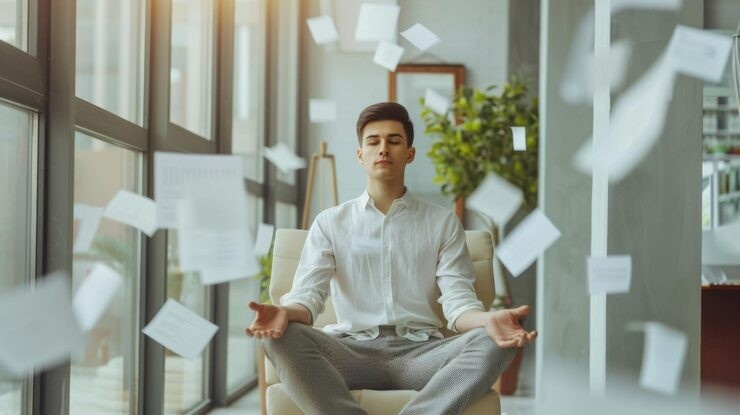
Anxiety is one of the most common mental health challenges people experience today. Whether it’s triggered by work pressure, financial concerns, health worries, social situations, or unexpected life events, anxiety can quickly affect your thoughts, emotions, and physical well-being.
When anxiety strikes, it often feels overwhelming. Your heart may race, your breathing may become shallow, your muscles may tense, and your mind may fill with worst-case scenarios. In these moments, knowing how to calm anxiety fast can make a significant difference.
The good news is that there are practical and effective anxiety relief techniques that can help you regain control and reduce anxious feelings quickly. While long-term anxiety management may require lifestyle changes or professional support, certain strategies can provide immediate relief when you need it most.
In this guide, you’ll discover 15 effective techniques that work for reducing anxiety quickly, along with practical tips for improving your overall mental wellness.
What Is Anxiety?
Anxiety is the body’s natural response to stress, uncertainty, or perceived danger. It activates the “fight-or-flight” response, preparing you to react to a threat.
While occasional anxiety is normal, persistent or intense anxiety can interfere with daily life.
Common Anxiety Symptoms
Anxiety affects people differently, but common symptoms include:
- Rapid heartbeat
- Shortness of breath
- Excessive worrying
- Restlessness
- Muscle tension
- Sweating
- Difficulty concentrating
- Dizziness
- Irritability
- Trouble sleeping
Recognizing anxiety symptoms early can help you use calming techniques before feelings become overwhelming.
1. Practice Deep Breathing
One of the fastest ways to calm anxiety is through controlled breathing.
When you’re anxious, your breathing often becomes shallow and rapid. Deep breathing signals your nervous system that you’re safe, helping your body relax.
Simple Breathing Exercise
- Inhale through your nose for 4 seconds.
- Hold your breath for 4 seconds.
- Exhale slowly through your mouth for 6 seconds.
- Repeat for several minutes.
Breathing exercises for anxiety relief can quickly lower stress levels and improve focus.
2. Try the 5-4-3-2-1 grounding technique.
Grounding techniques help bring your attention back to the present moment.
Identify:
- 5 things you can see
- 4 things you can touch
- 3 things you can hear
- 2 things you can smell
- 1 thing you can taste
This method is especially useful when anxiety causes racing thoughts or panic-like feelings.
3. Challenge Negative Thoughts
Anxiety often involves irrational fears and catastrophic thinking.
Ask yourself:
- Is this thought based on facts?
- What evidence supports it?
- What evidence contradicts it?
- What would I tell a friend in this situation?
Replacing fearful assumptions with balanced thinking can significantly reduce anxiety.
4. Use Progressive Muscle Relaxation
Anxiety creates physical tension throughout the body.
Progressive Muscle Relaxation (PMR) involves:
- Tensing muscle groups for 5 seconds.
- Slowly releasing the tension.
- Moving from your feet upward.
This technique helps reduce physical stress and encourages relaxation.
5. Take a Short Walk
Physical movement is one of the most effective natural ways to calm anxiety.
Walking helps:
- Reduce stress hormones
- Improve mood
- Release tension
- Increase circulation
Even a 10-minute walk can help calm anxious feelings.
6. Focus on Your Senses
When anxiety becomes overwhelming, sensory awareness can interrupt the cycle of worry.
Try:
- Holding a cold object
- Listening to calming music
- Smelling essential oils
- Touching a textured surface
Engaging your senses helps shift attention away from anxious thoughts.
7. Limit Stimulants
Caffeine, energy drinks, and excessive sugar can worsen anxiety symptoms.
If you’re feeling anxious:
- Drink water
- Avoid additional caffeine
- Choose calming herbal teas
Reducing stimulants may help lower feelings of nervousness and restlessness.
8. Practice Mindfulness
Mindfulness involves paying attention to the present moment without judgment.
Benefits include:
- Reduced stress
- Improved focus
- Better emotional regulation
- Lower anxiety levels
Even five minutes of mindful breathing can provide relief.
9. Listen to Calming Music
Music has a powerful effect on the nervous system.
Research suggests that slow, relaxing music can:
- Lower heart rate
- Reduce stress hormones
- Promote relaxation
Create a calming playlist that you can access whenever anxiety arises.
10. Use Positive Self-Talk
The way you speak to yourself matters.
Instead of saying:
- “I can’t handle this.”
- “Something terrible will happen.”
Try:
- “I can get through this.”
- “This feeling will pass.”
- “I am safe right now.”
Positive self-talk helps reduce anxiety and build emotional resilience.
11. Write Down Your Thoughts
Journaling can help organize anxious thoughts and reduce mental clutter.
Write about:
- What you’re worried about
- Possible solutions
- Things you can control
- Things you cannot control
This simple practice often creates a sense of clarity and relief.
12. Try Visualization
Visualization involves imagining a calm, peaceful environment.
Picture:
- A quiet beach
- A mountain landscape
- A peaceful forest
- A favorite relaxing location
Detailed visualization can help reduce anxiety and promote relaxation.
13. Stay Hydrated
Dehydration may contribute to stress, fatigue, and difficulty concentrating.
Drink water regularly throughout the day.
Hydration supports overall physical and mental wellness.
14. Connect With Someone You Trust
Talking to a supportive friend, family member, or counselor can provide reassurance and perspective.
Social support is one of the most effective tools for coping with anxiety.
You don’t have to manage difficult feelings alone.
15. Focus on What You Can Control
Anxiety often stems from uncertainty.
When worries arise, ask yourself:
What can I control?
Examples:
- My actions
- My schedule
- My response
- My self-care habits
What can’t I control?
Examples:
- Other people’s decisions
- Past events
- Unexpected outcomes
Directing energy toward controllable factors can reduce stress and increase confidence.
Long-Term Strategies for Managing Anxiety
While quick anxiety relief techniques are helpful, long-term anxiety management often requires consistent habits.
Regular Exercise
Physical activity supports mental health and reduces stress hormones.
Quality Sleep
Aim for 7-9 hours of sleep each night.
Healthy Nutrition
Balanced meals help stabilize mood and energy levels.
Meditation
Regular meditation can improve emotional regulation.
Stress Management
Develop healthy coping strategies before anxiety becomes overwhelming.
When to Seek Professional Help
Consider speaking with a mental health professional if:
- Anxiety interferes with daily activities
- Symptoms persist for weeks or months
- Panic attacks occur frequently
- Sleep is consistently disrupted
- Anxiety affects work, relationships, or school
Professional support can provide personalized tools and treatment options.
Final Thoughts
Learning how to calm anxiety fast is an important skill that can improve your mental well-being and daily quality of life. While anxiety is a normal human experience, it doesn’t have to control your thoughts, emotions, or actions.
The 15 anxiety relief techniques discussed in this guide—including deep breathing, grounding exercises, mindfulness, positive self-talk, exercise, and journaling—can help you regain control during stressful moments.
Remember that everyone responds differently to anxiety management strategies. Experiment with different techniques to discover what works best for you. With consistent practice and self-awareness, it’s possible to reduce anxiety, improve emotional resilience, and build a healthier relationship with stress.