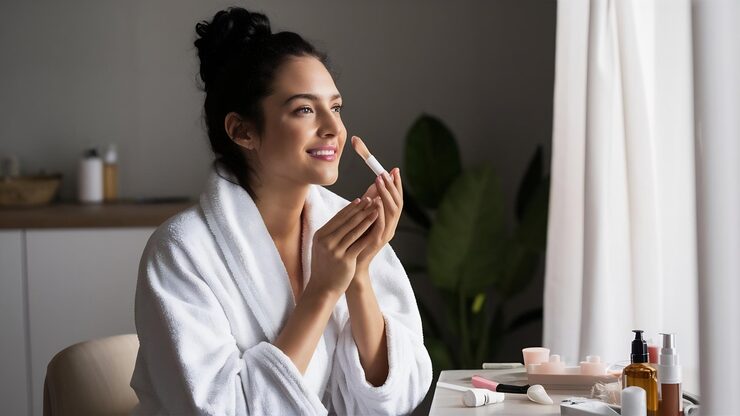

Pregnancy is one of the most exciting journeys of your life—but it can also bring unexpected skin changes. One week your skin is glowing, and the next you’re dealing with acne, dryness, dark patches, or increased sensitivity.
If you’ve suddenly found yourself questioning every skincare product on your bathroom shelf, you’re not alone.
Many ingredients that were perfectly fine before pregnancy may no longer be recommended. At the same time, hormonal changes can create entirely new skincare challenges, leaving many moms-to-be wondering what products they can actually trust.
The good news?
You don’t need a complicated 10-step skincare routine or expensive luxury products to maintain healthy skin during pregnancy. By choosing pregnancy-safe ingredients and avoiding a few potentially harmful ones, you can build a simple, effective routine that supports both your skin and your growing baby.
In this comprehensive guide, you’ll learn exactly which ingredients are safe, which ones to avoid, how to build a pregnancy-safe skincare routine, and expert-backed tips to keep your skin healthy throughout every trimester.
What Is Pregnancy-Safe Skincare?
Pregnancy-safe skincare refers to skincare products and routines that use ingredients considered low risk during pregnancy while avoiding ingredients that may pose potential risks to the developing baby. The goal is to maintain healthy skin without unnecessary exposure to ingredients that require extra caution during pregnancy.
Unlike regular skincare, pregnancy-safe skincare focuses on balancing effectiveness with ingredient safety. While not every ingredient has been proven harmful, many healthcare providers recommend avoiding certain actives because there isn’t enough research confirming their safety during pregnancy.
This “better safe than sorry” approach helps reduce unnecessary risk while still addressing common skin concerns like acne, melasma, dryness, and sensitivity.
Why Does Pregnancy Affect Your Skin?
Pregnancy brings significant hormonal changes that influence nearly every organ in your body—including your skin.
Hormones such as estrogen and progesterone increase dramatically, affecting oil production, pigmentation, blood circulation, and collagen.
These changes can lead to:
- Hormonal acne
- Pregnancy glow
- Dry skin
- Itchy skin
- Stretch marks
- Melasma (“pregnancy mask”)
- Increased skin sensitivity
- Redness
- Darkened nipples
- Linea nigra
- Puffy face
Some women experience clearer skin than ever before, while others struggle with persistent breakouts throughout pregnancy.
The important thing to remember is that these changes are completely normal.
Common Pregnancy Skin Concerns
Every pregnancy is different, but these are the most common skincare concerns expecting mothers experience.
Hormonal Acne
Hormonal fluctuations can increase oil production, leading to clogged pores and inflamed breakouts.
Acne often appears on:
- Chin
- Jawline
- Neck
- Back
- Chest
Fortunately, several pregnancy-safe ingredients can help manage acne without using retinoids.
Melasma (Pregnancy Mask)
Melasma causes brown or gray patches to appear on:
- Forehead
- Upper lip
- Cheeks
- Nose
Sun exposure often makes melasma worse, making daily sunscreen one of the most important steps in pregnancy-safe skincare.
Dry Skin
Pregnancy can cause the skin barrier to become compromised, leading to:
- Tightness
- Flaking
- Rough texture
- Itching
Hydrating ingredients become especially important during this time.
Sensitive Skin
Even if you’ve never had sensitive skin before, pregnancy hormones may leave your skin reacting to products that previously caused no issues.
You may notice:
- Burning
- Stinging
- Redness
- Irritation
Gentle, fragrance-free products are often the best choice.
Stretch Marks
Stretch marks commonly develop on the:
- Belly
- Hips
- Breasts
- Thighs
While genetics play a significant role, keeping the skin well moisturized can improve comfort and skin elasticity.
Benefits of Following a Pregnancy-Safe Skincare Routine
Using pregnancy-safe skincare isn’t just about avoiding certain ingredients—it also helps support your skin through the many changes pregnancy brings.
Supports Your Skin Barrier
Pregnancy hormones can make the skin more vulnerable to dryness and irritation. Gentle cleansers and nourishing moisturizers help maintain a healthy skin barrier.
Helps Control Hormonal Acne
Safe ingredients like azelaic acid and niacinamide can reduce breakouts without relying on stronger treatments that may not be recommended during pregnancy.
Reduces Hyperpigmentation
Daily sun protection and brightening ingredients such as vitamin C can help minimize the appearance of melasma and uneven skin tone.
Keeps Skin Hydrated
Hydrating products improve comfort, reduce tightness, and leave skin looking healthier and more radiant.
Simplifies Your Routine
A streamlined skincare routine with a few well-chosen products is often more effective—and easier to stick with—than a complicated regimen.
Pregnancy-Safe Skincare Ingredients
One of the easiest ways to shop confidently is to know which ingredients are generally considered safe during pregnancy.
Hyaluronic Acid
Hyaluronic acid is one of the best hydrating ingredients available.
Benefits include:
- Deep hydration
- Plumper skin
- Reduced dryness
- Improved skin barrier
- Suitable for sensitive skin
Because it works on the skin’s surface and helps attract moisture, it’s a staple in many pregnancy-friendly routines.
Niacinamide (Vitamin B3)
Niacinamide is a versatile ingredient that supports healthier-looking skin.
Benefits:
- Reduces redness
- Helps balance oil production
- Minimizes the look of pores
- Strengthens the skin barrier
- Brightens uneven skin tone
It can also be helpful for those experiencing mild pregnancy-related acne.
Vitamin C
Vitamin C is a powerful antioxidant that protects skin from environmental stressors.
Benefits:
- Brightens dull skin
- Supports collagen production
- Helps fade dark spots
- Improves skin tone
- Adds radiance
It’s often recommended as a pregnancy-safe alternative to stronger brightening treatments.
Azelaic Acid
Azelaic acid is widely used for acne and discoloration.
Benefits include:
- Reduces acne-causing bacteria
- Helps calm inflammation
- Improves redness
- Targets hyperpigmentation
- Helps manage melasma
Many dermatologists consider it a useful option during pregnancy, but it’s still a good idea to discuss any medicated skincare with your healthcare provider.
Glycerin
Glycerin is one of the most effective moisture-attracting ingredients.
It helps:
- Lock in hydration
- Prevent moisture loss
- Soften rough skin
- Improve overall skin comfort
You’ll find it in many cleansers, moisturizers, and hydrating serums.
Oat Extract
Colloidal oatmeal and oat extract help soothe irritated skin.
They can reduce:
- Itching
- Dryness
- Redness
- Skin discomfort
These ingredients are especially helpful for sensitive or eczema-prone skin.
Mineral Sunscreen (Zinc Oxide & Titanium Dioxide)
Daily sun protection is one of the most important steps in pregnancy-safe skincare.
Mineral sunscreens work by sitting on the skin’s surface and reflecting UV rays.
Benefits:
- Protect against UV damage
- Help prevent melasma from worsening
- Suitable for sensitive skin
- Provide broad-spectrum protection
Look for SPF 30 or higher and apply it every morning.
Ingredients to Avoid During Pregnancy
While many skincare ingredients are considered low risk, some are commonly avoided during pregnancy because they may be absorbed into the body, have limited safety data, or are not recommended by healthcare providers. Always check product labels and consult your obstetrician or dermatologist if you’re unsure.
Retinoids (Vitamin A Derivatives)
Retinoids are commonly used to treat acne, fine lines, and uneven skin tone. Prescription-strength retinoids are generally not recommended during pregnancy due to known risks associated with oral vitamin A derivatives and out of caution for topical forms.
Common Names
- Retinol
- Retinaldehyde
- Tretinoin
- Adapalene
- Tazarotene
- Isotretinoin (oral medication)
Safer Alternatives
- Azelaic Acid
- Vitamin C
- Niacinamide
- Hyaluronic Acid
High-Concentration Salicylic Acid
Small amounts of salicylic acid in rinse-off cleansers or spot treatments may be acceptable for some people, but high-strength peels and large-area treatments are generally avoided during pregnancy unless specifically recommended by a healthcare professional.
Better Options
- Lactic Acid (low concentrations)
- Azelaic Acid
- Gentle exfoliating cleansers
Hydroquinone
Hydroquinone is used to lighten dark spots and melasma. Because it has relatively high absorption through the skin and limited pregnancy safety data, it is generally avoided during pregnancy.
Instead, consider:
- Vitamin C
- Azelaic Acid
- Daily Mineral Sunscreen
Formaldehyde-Releasing Preservatives
Some preservatives slowly release formaldehyde to prevent bacterial growth in cosmetics.
Look for ingredients such as:
- DMDM Hydantoin
- Diazolidinyl Urea
- Imidazolidinyl Urea
When possible, choose products labeled with transparent ingredient lists and designed for sensitive skin.
Certain Chemical Sunscreens
Some healthcare providers recommend mineral sunscreens (zinc oxide or titanium dioxide) during pregnancy because they sit on top of the skin rather than being absorbed to the same extent as some chemical UV filters.
Mineral sunscreen is often the preferred choice, especially for sensitive skin.
High-Concentration Essential Oils
Not every essential oil is unsafe, but concentrated essential oils may cause irritation or have limited pregnancy safety research.
Examples include:
- Clary Sage
- Wintergreen
- Pennyroyal
- Wormwood
If you enjoy botanical skincare, choose products specifically formulated for pregnancy or consult your healthcare provider.
Pregnancy-Safe Skincare by Skin Type
For Oily Skin
Focus on balancing oil without stripping your skin.
Recommended ingredients:
- Niacinamide
- Azelaic Acid
- Hyaluronic Acid
- Lightweight gel moisturizer
Avoid heavy, greasy creams if they worsen congestion.
For Dry Skin
Prioritize hydration and barrier repair.
Best ingredients:
- Ceramides
- Glycerin
- Shea Butter
- Squalane
- Hyaluronic Acid
Use cream-based cleansers rather than foaming formulas if your skin feels tight.
For Combination Skin
Balance oily and dry areas with lightweight hydration.
Ideal ingredients:
- Niacinamide
- Ceramides
- Hyaluronic Acid
Apply richer moisturizer only where needed.
For Sensitive Skin
Keep your routine simple.
Look for:
- Fragrance-free products
- Ceramides
- Colloidal Oatmeal
- Aloe Vera
Introduce new products one at a time and patch-test when possible.
Managing Common Pregnancy Skin Concerns
Pregnancy Acne
Hormonal shifts can increase oil production, leading to breakouts.
What Helps
- Gentle cleansing twice daily
- Niacinamide
- Azelaic Acid
- Non-comedogenic moisturizer
- Mineral sunscreen
Avoid picking blemishes, as this can increase the risk of scarring and discoloration.
Melasma (Pregnancy Mask)
Melasma often appears during the second or third trimester.
Tips
- Wear sunscreen every day
- Reapply SPF outdoors
- Wear a wide-brimmed hat
- Seek shade during peak sunlight hours
- Use Vitamin C or Azelaic Acid if recommended by your healthcare provider
Consistency is key—sun protection is one of the most effective ways to help prevent melasma from worsening.
Dry and Itchy Skin
Hydration is your best friend.
Try:
- Thick moisturizers after bathing
- Short, lukewarm showers instead of hot showers
- Humidifier during dry weather
- Gentle body creams
Stretch Marks
Stretch marks are influenced by genetics, skin elasticity, and rapid stretching.
Although no product can guarantee prevention, keeping the skin moisturized may improve comfort and reduce itchiness.
Helpful ingredients include:
- Shea Butter
- Cocoa Butter
- Squalane
- Hyaluronic Acid
Pregnancy-Safe Skincare Routine by Trimester
| Trimester | Skin Changes | Routine Focus |
| First Trimester | Hormonal acne, sensitivity | Gentle cleanser, hydration, mineral SPF |
| Second Trimester | Glow, melasma, pigmentation | Vitamin C, sunscreen, moisturizer |
| Third Trimester | Dryness, stretching, itching | Rich moisturizer, ceramides, body care, SPF |
Comparison Table: Safe vs. Avoid During Pregnancy
| Generally Considered Pregnancy-Friendly* | Commonly Avoided During Pregnancy* |
| Hyaluronic Acid | Retinoids |
| Ceramides | Hydroquinone |
| Niacinamide | High-strength Salicylic Acid |
| Vitamin C | Prescription Acne Retinoids |
| Glycerin | Formaldehyde-releasing preservatives |
| Aloe Vera | Certain essential oils (high concentrations) |
| Oat Extract | Strong chemical peels |
| Mineral Sunscreen | Some chemical sunscreen filters (depending on medical advice) |
Common Pregnancy Skincare Mistakes
Many people unintentionally make mistakes that can leave their skin irritated or worsen pigmentation.
Continuing Your Pre-Pregnancy Routine Without Checking Ingredients
Review your products as soon as you know you’re pregnant.
Skipping Sunscreen
UV exposure can make melasma much more noticeable.
Using Too Many Active Ingredients
Layering multiple acids and treatments can damage your skin barrier.
Over-Exfoliating
Gentle exfoliation is usually enough. Excessive exfoliation may increase redness and sensitivity.
Ignoring Dryness
Hydration helps maintain a healthier skin barrier.
Following Viral Social Media Trends
Just because a skincare trend is popular doesn’t mean it’s appropriate during pregnancy.
Assuming “Natural” Means Safe
Natural ingredients can still cause allergic reactions or may not be recommended during pregnancy.
Buying Products Without Reading Labels
Ingredient lists matter more than marketing claims.
Trying Multiple New Products at Once
Introduce products gradually so you can identify any irritation.
Self-Treating Persistent Skin Conditions
If acne, rashes, severe itching, or unusual pigmentation worsen, seek advice from your healthcare provider or dermatologist rather than relying solely on over-the-counter products.