
Have you ever started a workout routine full of motivation, only to quit a few weeks later?
You’re not alone.
Millions of Americans begin fitness journeys every year, but many struggle to stay consistent. Busy schedules, lack of motivation, boredom, and exercising alone often lead to skipped workouts and abandoned goals.
That’s exactly why community workouts have become one of the biggest fitness trends in 2026.
From neighborhood running clubs and outdoor boot camps to CrossFit boxes, yoga communities, cycling studios, pickleball groups, and online fitness challenges, more people are discovering that exercising together delivers better results than training alone.
In this guide, you’ll learn why group fitness is growing so rapidly, the science behind community workouts, the biggest benefits they offer, and how to choose the right fitness community for your goals.
What Are Community Workouts?
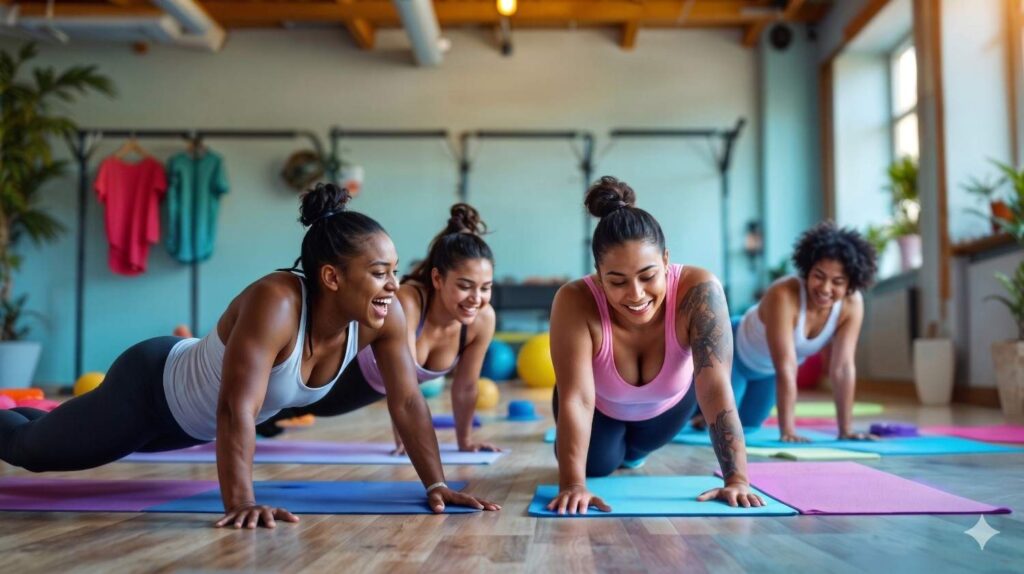
Community workouts are organized fitness activities where people exercise together in a supportive environment. These sessions may take place at gyms, parks, studios, workplaces, schools, or online platforms and encourage accountability, motivation, social connection, and long-term fitness success.
Unlike working out alone, community fitness focuses on shared goals and mutual encouragement.
Participants motivate each other, celebrate milestones together, and create an environment where consistency becomes easier.
Popular examples include:
- Running clubs
- Outdoor boot camps
- HIIT classes
- Yoga groups
- Pilates studios
- Spin classes
- Dance fitness
- Hiking clubs
- Walking groups
- CrossFit communities
- Recreational sports leagues
- Virtual workout communities
Why Community Workouts Are Booming in 2026
The fitness landscape has changed dramatically over the past few years.
People no longer want workouts that feel like chores. Instead, they’re looking for experiences that combine exercise, social interaction, mental wellness, and fun.
Several trends are driving the rise of community workouts:
People Want More Human Connection
Many adults spend hours working remotely or behind screens. Community workouts offer an opportunity to meet people with similar goals while improving physical health.
Instead of exercising alone, participants build friendships and support systems that make fitness enjoyable.
Accountability Improves Consistency
One of the biggest reasons people quit exercising is lack of accountability.
When friends or teammates expect you to show up, you’re much less likely to skip a workout.
Research consistently suggests that social accountability increases exercise adherence, helping people stick with healthy habits for longer.
Mental Health Is a Top Priority
Fitness is no longer just about losing weight.
Today’s Americans are increasingly exercising to:
- Reduce stress
- Improve mood
- Sleep better
- Boost confidence
- Manage anxiety
- Increase energy
Community workouts naturally support these goals by combining movement with positive social interaction.
Fitness Has Become More Social
Apps, wearable devices, online challenges, and social communities have transformed fitness into a shared experience.
People enjoy:
- Monthly fitness challenges
- Leaderboards
- Community events
- Charity runs
- Weekend hiking groups
- Virtual workout competitions
These activities make staying active more engaging and rewarding.
The Science Behind Group Fitness
Why does exercising with others feel so motivating?
The answer lies in psychology and human behavior.
Scientists have found that people often work harder when exercising in groups because of a phenomenon known as the Köhler Effect. This effect suggests that individuals tend to put in more effort when they feel their contribution matters to the group.
Group exercise also triggers the release of feel-good chemicals such as endorphins, dopamine, and oxytocin. Together, these chemicals can improve mood, reduce stress, and strengthen social bonds.
In addition, seeing others push through challenges creates a positive form of motivation. Instead of comparing yourself negatively, you’re inspired to keep going and improve.
Top Benefits of Community Workouts
Better Accountability
One of the greatest advantages of community workouts is accountability.
When people know others are expecting them, they’re far more likely to show up consistently.
Whether it’s a morning running club or an evening HIIT class, having a scheduled group creates commitment and reduces the temptation to skip workouts.
Increased Motivation
Working out alone can become repetitive.
Community workouts create an energetic atmosphere where everyone encourages each other.
Seeing others finish one more set or complete one more mile often inspires you to push beyond what you thought was possible.
This shared energy keeps workouts exciting and helps maintain long-term motivation.
Improved Mental Well-Being
Exercise naturally reduces stress, but community workouts offer an additional emotional benefit: social connection.
Feeling part of a supportive group can:
- Reduce feelings of loneliness
- Improve self-confidence
- Lower stress levels
- Increase overall happiness
- Create a sense of belonging
Many participants say they continue attending group workouts not just for fitness but also for the friendships they build.
Greater Workout Consistency
Consistency is the key to achieving any fitness goal.
Community workouts encourage regular attendance through scheduled classes, team challenges, and supportive relationships.
Instead of relying solely on willpower, participants develop routines that become part of their lifestyle.
Over time, this consistency leads to better strength, endurance, flexibility, and overall health.
Faster Skill Development
Whether you’re new to weight training, yoga, cycling, or functional fitness, learning alongside others can accelerate your progress.
Experienced instructors provide guidance, while fellow participants offer tips, encouragement, and real-world advice.
This supportive environment helps beginners build confidence and improve technique more quickly than training alone.
Healthy Competition
A little friendly competition can be incredibly motivating.
In community workouts, participants often challenge each other to:
- Complete more repetitions
- Improve running times
- Increase strength
- Stay consistent throughout the month
- Reach personal milestones
Unlike unhealthy comparison, this type of competition focuses on growth, encouragement, and celebrating progress.
Higher Workout Enjoyment
Perhaps the biggest reason people stick with community workouts is simple—they’re more fun.
Music, teamwork, shared goals, and positive energy make exercise feel less like an obligation and more like an experience.
Community Workouts vs. Solo Training: Which Is Better?
Choosing between community workouts and solo training depends on your goals, personality, and fitness level. However, for most people, group fitness offers greater consistency, motivation, and long-term success.
| Feature | Community Workouts | Solo Training |
| Motivation | High – Encouragement from others | Depends on self-discipline |
| Accountability | Strong – People expect you to show up | Low – Easy to skip workouts |
| Social Connection | Excellent | Limited |
| Learning Opportunity | Instructor and peer guidance | Mostly self-learning |
| Workout Variety | New routines regularly | Can become repetitive |
| Cost | Varies by class or membership | Often lower |
| Flexibility | Fixed schedules | Anytime |
| Long-Term Consistency | Higher for most people | Lower if motivation fades |
| Fun Factor | High | Depends on personal preference |
Best Types of Community Workouts in 2026
The fitness industry continues to evolve, offering exciting ways to stay active while building meaningful connections.
Outdoor Boot Camps
Outdoor boot camps combine strength training, cardio, and teamwork in parks or open spaces. They’re ideal for people who enjoy fresh air and energetic group environments.
Best for:
- Weight loss
- Functional fitness
- Beginners
- Team motivation
Running Clubs
Running clubs welcome participants of all experience levels. Whether you’re training for your first 5K or a marathon, these communities provide accountability and encouragement.
Benefits include:
- Better endurance
- Improved pacing
- Social support
- Race preparation
CrossFit Communities
CrossFit gyms focus on high-intensity functional training while building strong community relationships.
Members celebrate personal records together and motivate one another through challenging workouts.
Best for:
- Strength
- Conditioning
- Functional movement
- Community support
Yoga Communities
Yoga classes create a welcoming environment focused on flexibility, breathing, mindfulness, and stress reduction.
Group yoga promotes both physical and emotional wellness.
Perfect for:
- Beginners
- Stress relief
- Mobility
- Mental wellness
Cycling Classes
Indoor cycling remains one of America’s favorite group fitness activities.
Music, coaching, and synchronized riding create an exciting atmosphere that keeps participants motivated.
Dance Fitness Classes
Programs inspired by dance combine cardio with entertainment.
They’re excellent for people who dislike traditional workouts but enjoy music and movement.
Popular options include:
- Latin-inspired dance fitness
- Hip-hop workouts
- Cardio dance
- Barre classes
Walking Groups
Walking groups continue to grow because they’re simple, affordable, and suitable for nearly every age group.
Walking together encourages conversation, accountability, and consistent movement without high physical demands.
How to Choose the Right Community Workout
Not every fitness community is the right fit.
Before joining one, consider these factors.
Define Your Goal
Ask yourself:
- Do I want to lose weight?
- Build muscle?
- Improve endurance?
- Reduce stress?
- Meet new people?
- Stay consistent?
Knowing your objective helps narrow your options.
How to Start Community Workouts
Getting started doesn’t have to be complicated.
Step 1
Identify your primary fitness goal.
Step 2
Research local gyms, recreation centers, fitness studios, or community organizations.
Step 3
Attend a trial class before purchasing a membership.
Step 4
Introduce yourself to instructors and participants.
Most communities are welcoming to newcomers.
Step 5
Commit to attending at least two sessions per week for one month.
Consistency matters more than intensity.
Step 6
Track your progress.
Record:
- Attendance
- Energy levels
- Strength improvements
- Mood
- Confidence
Small improvements create long-term motivation.
Common Mistakes to Avoid
Many beginners unknowingly reduce their chances of success.
Avoid these common mistakes.
Trying to Keep Up With Everyone
Remember:
Your only competition is yourself.
Progress happens at your own pace.
Skipping Warm-Ups
Warm-ups prepare muscles and reduce injury risk.
Never skip them.
Comparing Yourself to Others
Everyone starts somewhere.
Focus on your own improvement instead of someone else’s performance.
Missing Too Many Sessions
Consistency builds momentum.
Missing several workouts often makes restarting much harder.
Ignoring Recovery
Rest days allow your body to repair and grow stronger.
Recovery is part of training—not a break from it.
Benefits of Joining a Fitness Community
- Better accountability
- Increased motivation
- Stronger friendships
- Reduced stress
- Improved confidence
- Professional coaching
- More enjoyable workouts
- Higher long-term consistency
- Faster skill development
- Greater overall wellness
FAQs
Expert Tips to Get the Most Out of Community Workouts
Set Realistic Goals
Focus on progress rather than perfection. Small improvements each week lead to lasting success.
Show Up Consistently
Results come from regular attendance—not occasional intense workouts.
Build Relationships
Introduce yourself to instructors and classmates. A strong support network increases accountability and makes workouts more enjoyable.
Track Your Progress
Keep a simple fitness journal or use a fitness app to record:
- Workout frequency
- Strength gains
- Endurance improvements
- Body measurements (if relevant)
- Energy levels
- Mood
Tracking progress helps you stay motivated.
Focus on Proper Form
Always prioritize correct technique over heavier weights or faster speeds. Good form reduces injury risk and improves long-term performance.
Fuel Your Body
Support your workouts with:
- Lean protein
- Whole grains
- Fruits and vegetables
- Healthy fats
- Plenty of water
Proper nutrition helps your body recover and perform at its best.
Make Fitness Part of Your Lifestyle
The goal isn’t just to complete a workout—it’s to create healthy habits you can maintain for years.
Disclaimer:
This article is for informational and educational purposes only and should not be considered medical or professional fitness advice. Consult a qualified healthcare provider or certified fitness professional before starting any new exercise program, especially if you have a medical condition or injury.