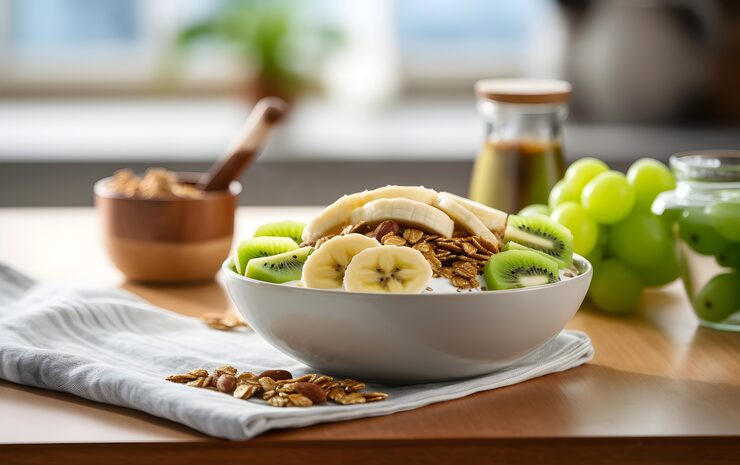

Losing weight naturally does not have to mean following a restrictive diet, skipping meals, or spending hours at the gym. In fact, the most sustainable approach is usually much simpler: improve your eating habits, become more active, sleep well, manage stress, and build routines that you can realistically maintain.
Healthy weight loss is not about losing as much weight as possible in the shortest amount of time. It is about gradually improving your body composition and health while creating habits that can continue long after you reach your goal.
According to the Centers for Disease Control and Prevention (CDC), people who lose weight gradually—around 1 to 2 pounds per week—are generally more likely to keep it off than people who lose weight more rapidly.
So, if you are wondering how to lose weight naturally, the answer is not one magic food or exercise. It is a combination of small, evidence-based changes that work together.
This guide explains 15 practical ways to support healthy and sustainable weight loss.
What Does “Losing Weight Naturally” Actually Mean?
Natural weight loss generally means using sustainable lifestyle habits rather than relying solely on extreme diets, unproven supplements, or quick-fix programs.
Your body weight is influenced by several factors, including food intake, physical activity, sleep, stress, medications, health conditions, genetics, age, and your environment.
For many people, sustainable weight management involves:
- Eating mostly nutritious, minimally processed foods
- Creating a reasonable calorie deficit
- Getting enough protein and fiber
- Moving regularly
- Doing resistance or strength training
- Getting adequate sleep
- Managing stress
- Avoiding extreme restriction
- Tracking progress realistically
- Building habits that can last
The goal is not simply to make the number on the scale smaller. It is to develop a healthier lifestyle that you can continue for months and years.
15 Science-Backed Tips for Sustainable Weight Loss
1. Create a Moderate Calorie Deficit
One of the basic principles of weight loss is energy balance.
If you consistently consume more energy from food and beverages than your body uses, excess energy can be stored, contributing to weight gain. Consuming fewer calories than you use can support weight loss.
However, this does not mean you should drastically reduce your food intake.
A very aggressive calorie restriction may leave you hungry, tired, and less likely to maintain the diet. Instead, focus on manageable changes such as:
- Reducing sugary drinks
- Watching portion sizes
- Choosing more filling foods
- Limiting frequent high-calorie snacks
- Cooking more meals at home
- Increasing vegetables and whole foods
You do not need to completely eliminate your favorite foods. A sustainable plan should leave room for flexibility.
2. Prioritize Protein at Each Meal
Protein can be an important part of a weight-loss diet because protein-rich foods can help make meals more satisfying while also providing nutrients needed for maintaining muscle.
Good sources include:
- Eggs
- Fish
- Chicken
- Greek yogurt
- Cottage cheese
- Beans
- Lentils
- Tofu
- Soy products
- Nuts and seeds
Try building meals around a protein source rather than treating protein as an afterthought.
For example, instead of having a meal consisting mostly of refined carbohydrates, combine a protein source with vegetables, whole grains, and healthy fats.
Your exact protein needs can vary depending on your body size, activity level, age, and health status, so individualized advice from a qualified professional may be appropriate.
3. Eat More Fiber-Rich Foods
Fiber can make meals more filling and may help you manage hunger while improving overall diet quality.
Good sources include:
- Vegetables
- Whole fruits
- Beans
- Lentils
- Oats
- Whole grains
- Chia seeds
- Flaxseeds
- Nuts
Instead of relying on highly processed snack foods, try keeping nutritious options available when hunger strikes.
For more practical ideas, check out our guide to healthy snacks for weight loss, which can help you choose filling snack options without turning your diet into a collection of restrictions.
NIDDK also recommends keeping healthier snacks available and choosing foods such as fresh fruit, vegetables, and lower-fat yogurt instead of heavily processed snack foods.
4. Make Water Your Main Drink
Liquid calories can be surprisingly easy to overlook.
Soda, sweetened coffee drinks, energy drinks, fruit-flavored beverages, and other sugary drinks can add calories without making you feel as satisfied as a balanced meal.
Making water your primary beverage can be a simple way to reduce unnecessary calorie intake.
You can make water more enjoyable by adding:
- Lemon
- Lime
- Mint
- Cucumber
- Fresh fruit
Unsweetened tea or coffee can also fit into a healthy eating pattern for many adults.
The important point is not that water is a “fat-burning” drink. It is simply a low-calorie choice that can replace higher-calorie beverages.
5. Eat More Whole Foods
You do not need a perfect diet to lose weight.
However, building most of your meals around nutritious whole or minimally processed foods can make healthy eating easier.
A balanced plate might include:
½ plate: vegetables and/or fruit
¼ plate: protein
¼ plate: whole grains or another carbohydrate source
Plus: a moderate amount of healthy fat
Examples include:
- Grilled chicken with vegetables and brown rice
- Lentils with vegetables and whole-grain roti
- Fish with roasted vegetables and potatoes
- Greek yogurt with fruit and nuts
- Tofu with vegetables and whole grains
NIDDK recommends a healthy eating pattern that includes vegetables, whole fruits, whole grains, protein foods, and appropriate sources of healthy fats.
6. Walk More Throughout the Day
You do not need an expensive gym membership to become more active.
Walking is one of the easiest ways to increase daily movement.
You can add more walking by:
- Taking a short walk after meals
- Walking while talking on the phone
- Using stairs when practical
- Parking farther away
- Taking short movement breaks during work
- Going for an evening walk
The World Health Organization recommends that adults get at least 150–300 minutes of moderate-intensity aerobic physical activity per week, or an equivalent amount of vigorous activity.
If you currently do very little exercise, start small. Consistency is more important than trying to complete an unrealistic workout schedule immediately.
7. Add Strength Training
Cardio is useful, but strength training deserves a place in a sustainable weight-loss plan too.
Resistance exercises can help you build and maintain muscle while you work toward losing excess body fat.
Examples include:
- Squats
- Lunges
- Push-ups
- Rows
- Resistance-band exercises
- Dumbbell exercises
- Bodyweight exercises
WHO recommends muscle-strengthening activities involving the major muscle groups on at least two days per week for adults.
You do not necessarily need complicated equipment. A beginner can start with basic bodyweight movements and gradually increase resistance.
If you have an injury, chronic condition, or have been inactive for a long period, consider discussing an appropriate exercise plan with a healthcare professional.
8. Do Not Try to “Spot Reduce” Belly Fat
One of the most common weight-loss myths is that you can specifically burn belly fat by performing hundreds of abdominal exercises.
Exercises such as crunches and planks can strengthen your abdominal muscles, but they do not selectively force your body to burn fat from only your stomach.
Overall fat loss depends on your broader energy balance and lifestyle.
If your main goal is a slimmer waist, focus on:
- Overall calorie control
- Regular physical activity
- Strength training
- Adequate protein
- High-fiber foods
- Sleep
- Stress management
If you’re specifically interested in improving your waistline through lifestyle changes, our guide on how to lose belly fat fast at home provides additional practical strategies.
Remember, there is no healthy method that guarantees dramatic belly-fat loss overnight.
9. Get Enough Sleep
Sleep is often ignored when people talk about weight loss.
But your sleep habits can influence hunger, food choices, energy levels, and your ability to stay active.
NIDDK notes that adults ages 18–64 generally need around 7–9 hours of sleep per night and that inadequate sleep is linked with weight gain.
Try creating a consistent sleep routine:
- Go to bed at a similar time
- Wake up at a consistent time
- Keep your bedroom comfortable and dark
- Reduce unnecessary screen time before bed
- Avoid large meals immediately before sleeping
- Limit caffeine late in the day if it affects your sleep
Better sleep will not magically burn fat, but it can support the behaviors that make healthy weight management easier.
10. Manage Stress and Emotional Eating
Stress can make healthy habits harder to maintain.
Some people respond to stress by eating more, especially highly palatable foods. Others may skip meals during stressful periods and later experience intense hunger.
Instead of trying to eliminate all stress, develop healthier ways to respond to it.
You could try:
- Walking
- Meditation
- Deep breathing
- Journaling
- Yoga
- Talking with someone you trust
- Spending time outdoors
- Maintaining hobbies
- Getting adequate sleep
NIDDK notes that stress can contribute to overeating, tiredness, and reduced physical activity.
If emotional eating feels difficult to control or is interfering significantly with your life, consider speaking with a qualified healthcare or mental-health professional.
11. Practice Portion Control
Healthy foods can still contribute to weight gain if you consistently eat more energy than your body needs.
You do not necessarily have to weigh every ingredient.
Instead, learn visual portion awareness.
For example:
- Fill more of your plate with vegetables
- Include a reasonable protein serving
- Keep calorie-dense foods in moderate portions
- Eat slowly
- Avoid automatically going back for seconds
- Pay attention to hunger and fullness
You can also use smaller plates or bowls if they help you naturally serve smaller portions.
The goal is not to make meals tiny. The goal is to become more aware of how much you are eating.
12. Avoid Extreme Diets and “Quick Fixes”
A diet promising that you can lose a huge amount of weight in a few days may sound attractive, but rapid results do not necessarily mean sustainable fat loss.
Extreme approaches may involve:
- Severe calorie restriction
- Skipping multiple meals
- Eliminating entire food groups without a medical reason
- Detox products
- Unproven fat burners
- Excessive exercise
- Very restrictive meal plans
Healthy weight loss should fit into your life rather than completely take over your life.
If lifestyle changes alone are not producing enough progress, medical treatment may sometimes be appropriate. Prescription weight-loss medications exist for certain people, but they are not suitable for everyone and should be discussed with a qualified healthcare professional.
For a deeper look at this subject, see our article on prescription weight loss drugs: benefits, risks, and side effects.
13. Be Careful With “Healthy” Foods That Are High in Calories
A food can be nutritious and still be calorie-dense.
Examples include:
- Nuts
- Nut butters
- Seeds
- Oils
- Avocados
- Dried fruit
- Granola
You do not need to eliminate these foods. They can absolutely be part of a healthy diet.
The key is portion size.
For example, adding large amounts of nut butter, oil, or granola to an otherwise healthy meal can substantially increase its total calories.
Healthy eating is not just about whether a food is “good” or “bad.” Quantity and overall dietary pattern matter too.
14. Track Your Progress Beyond the Scale
The number on the scale is only one measurement.
Body weight can fluctuate because of:
- Water retention
- Sodium intake
- Food volume
- Hormonal changes
- Exercise
- Digestion
- Normal day-to-day variation
Instead of reacting to every daily change, look at longer-term trends.
You can also monitor:
- Waist measurement
- Clothing fit
- Strength
- Energy levels
- Walking or workout performance
- Sleep quality
- Food consistency
- Exercise consistency
A sustainable weight-loss journey is about more than one number.
If you are making healthier choices and becoming fitter, those changes matter even when the scale temporarily moves slowly.
15. Build a Routine You Can Actually Maintain
This may be the most important tip of all.
The “best” weight-loss plan is not necessarily the one that promises the fastest results. It is the one you can realistically follow.
Ask yourself:
Can I eat this way for six months?
Can I exercise this way without feeling exhausted all the time?
Can I maintain these habits when I am busy?
Can I enjoy social events without completely abandoning my routine?
If the answer is yes, you are much more likely to build sustainable progress.
Some people also find that exercising with others makes staying active more enjoyable and easier to maintain. If you prefer a social approach to exercise, learn more about why group fitness can be better and how exercising with others may support motivation and consistency.
What About Menopause and Weight Gain?
Weight management can become more challenging during menopause because aging, hormonal changes, changes in muscle mass, sleep, activity levels, and other factors can influence body composition.
This does not mean weight gain is unavoidable.
A practical approach includes:
- Strength training
- Regular walking or aerobic exercise
- Adequate protein
- Plenty of vegetables and fiber
- Appropriate portions
- Good sleep
- Stress management
If abdominal weight gain is your specific concern, certain dietary habits may be particularly relevant. You can also read our guide on foods to avoid for menopause belly fat for more information.
People experiencing significant or unexplained weight changes should discuss them with a healthcare professional, particularly if they have other symptoms or take medications that may affect weight.
What Happens After You Lose Weight?
Reaching your target weight is not necessarily the end of the process.
Maintaining weight loss requires continuing many of the habits that helped you lose weight.
This can include:
- Regular physical activity
- A balanced eating pattern
- Reasonable portions
- Adequate sleep
- Monitoring changes in weight
- Returning to healthy routines after occasional setbacks
NIDDK notes that maintaining weight loss can be challenging because the body may require fewer calories at a lower weight, among other physiological changes. Continuing healthy eating and regular physical activity can support long-term maintenance.
And if you notice loose skin after significant weight loss, remember that this is different from body fat. Our guide on how to tighten loose skin after weight loss explains the topic in more detail.
How Fast Should You Expect to Lose Weight?
There is no single weight-loss rate that is perfect for everyone.
Your starting weight, age, genetics, diet, physical activity, sleep, medications, medical conditions, and other factors can influence your progress.
The CDC describes gradual weight loss of approximately 1–2 pounds per week as a reasonable pace for many people and notes that people losing weight gradually are more likely to maintain it.
Do not judge your progress based on someone else’s results.
Two people can follow similar routines and lose weight at different rates.
Consistency matters more than speed.
Can You Lose Weight Without Going to the Gym?
Yes.
You can create a more active lifestyle through:
- Walking
- Cycling
- Hiking
- Dancing
- Home workouts
- Bodyweight exercises
- Resistance bands
- Sports
- Household activities
WHO emphasizes that physical activity can include transportation, work, household activities, recreation, and exercise—not just traditional gym workouts.
However, if your goal is to improve strength and preserve muscle while losing weight, adding resistance training can be particularly useful.
A Simple Daily Weight-Loss Routine
You do not need a complicated schedule.
A simple day could look like:
Morning:
Water + balanced breakfast containing protein and fiber
During the day:
Regular movement and fewer sugary drinks
Lunch:
Protein + vegetables + whole grains or another carbohydrate source
Snack:
Fruit, yogurt, nuts in a suitable portion, or another nutritious option
Evening:
Walk or workout
Dinner:
A balanced meal with protein, vegetables, and a reasonable carbohydrate portion
Night:
Relaxing routine and adequate sleep
The exact foods and exercise routine should be adapted to your preferences, culture, budget, schedule, and health needs.
Common Weight-Loss Mistakes to Avoid
Even people who are highly motivated can make mistakes.
Mistake 1: Eating too little
Extreme restriction can make hunger and adherence difficult.
Mistake 2: Focusing only on cardio
Strength training can be an important part of a balanced fitness routine.
Mistake 3: Drinking lots of calories
Sugary beverages can add substantial calories without being very filling.
Mistake 4: Ignoring sleep
Poor sleep can make healthy eating and exercise more difficult.
Mistake 5: Expecting immediate results
Healthy weight loss usually takes time.
Mistake 6: Completely avoiding favorite foods
An overly restrictive diet may be difficult to maintain.
Mistake 7: Giving up after one bad meal
One meal does not ruin your progress. Return to your normal routine at the next opportunity.
Frequently Asked Questions About Natural Weight Loss
If you want to know how to lose weight naturally, forget the idea that you need a perfect diet, extreme workouts, or a miracle product.
Sustainable weight loss is built through repeatable habits.
Start with the basics:
- Create a moderate calorie deficit.
- Eat enough protein and fiber.
- Choose mostly nutritious whole foods.
- Drink more water and fewer sugary beverages.
- Walk and move more throughout the day.
- Add strength training.
- Get enough sleep.
- Manage stress.
- Practice portion control.
- Avoid extreme diets.
- Track long-term progress rather than daily fluctuations.
- Build routines you can maintain.
Most importantly, give your body time.
Healthy weight management is not a one-week challenge. It is a long-term process that should support your health, energy, fitness, and quality of life.
If you have obesity, a medical condition, are pregnant or breastfeeding, take medications that may affect weight, or are considering prescription weight-loss treatment, speak with a qualified healthcare professional before making major changes to your diet or exercise routine.
Evidence & Medical Disclaimer
This article is intended for general educational purposes and is based on information from established public-health and medical sources, including the CDC, National Institute of Diabetes and Digestive and Kidney Diseases (NIDDK), and World Health Organization (WHO).
It is not a substitute for individualized medical advice, diagnosis, or treatment. Weight-loss recommendations may need to be adjusted for individual health conditions, medications, age, pregnancy, eating disorders, physical limitations, and other circumstances.